
P-Trap or S-Trap? Reading the Trapway and Rough-In
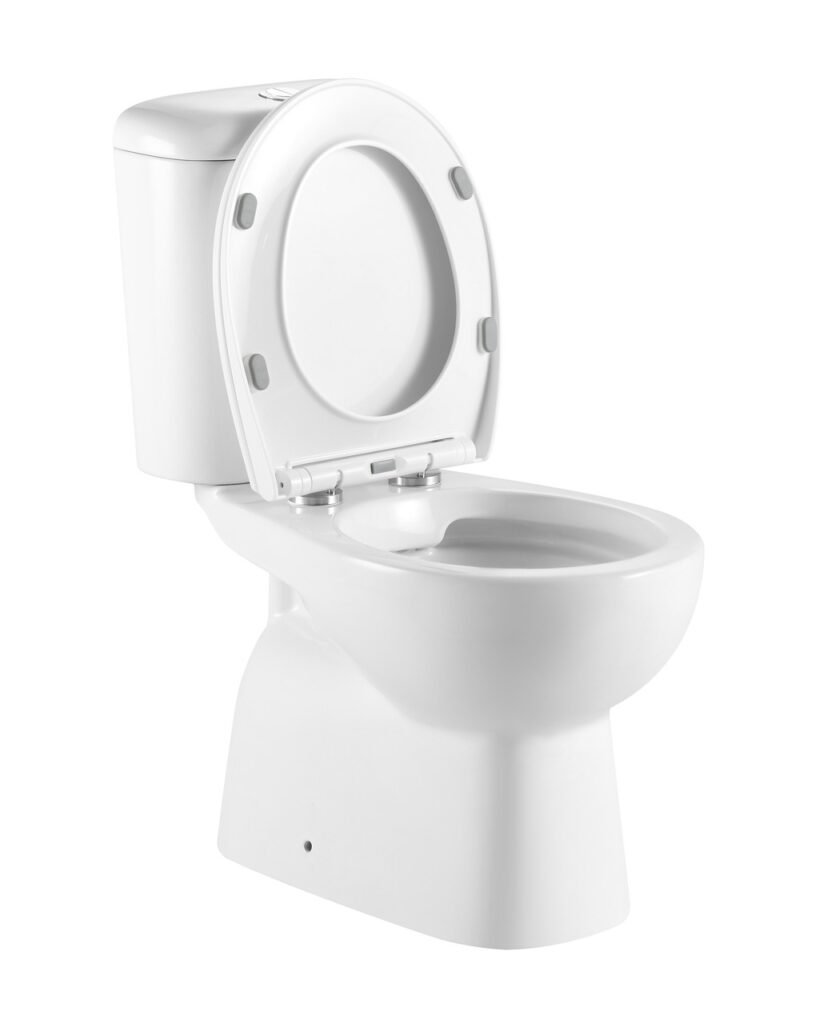
The trap and the rough-in are the two numbers that decide whether a pan fits the building — how our spec sheets state them, and what to confirm.
Wash-Down, Tornado, Whirlpool: What the Names Mean
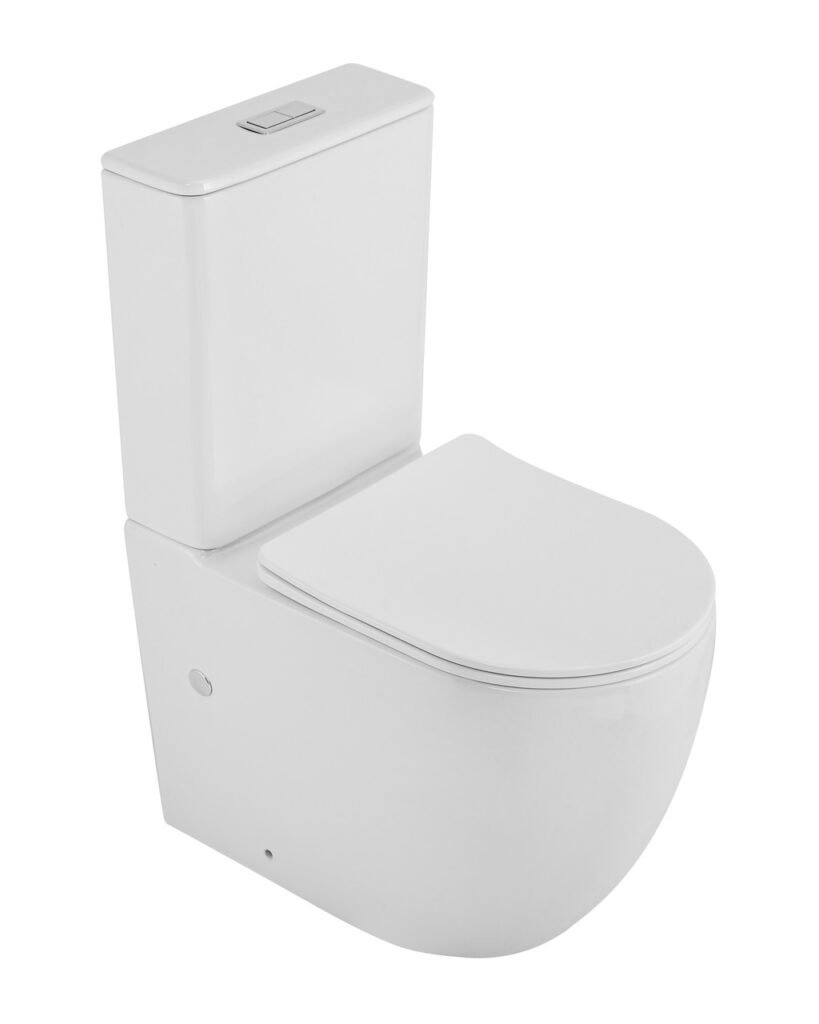
The flush line on our spec sheets carries three kinds of information. What each value describes, which models carry it, and what a name cannot promise.
Vitreous China: The Body Behind a Ceramic Toilet
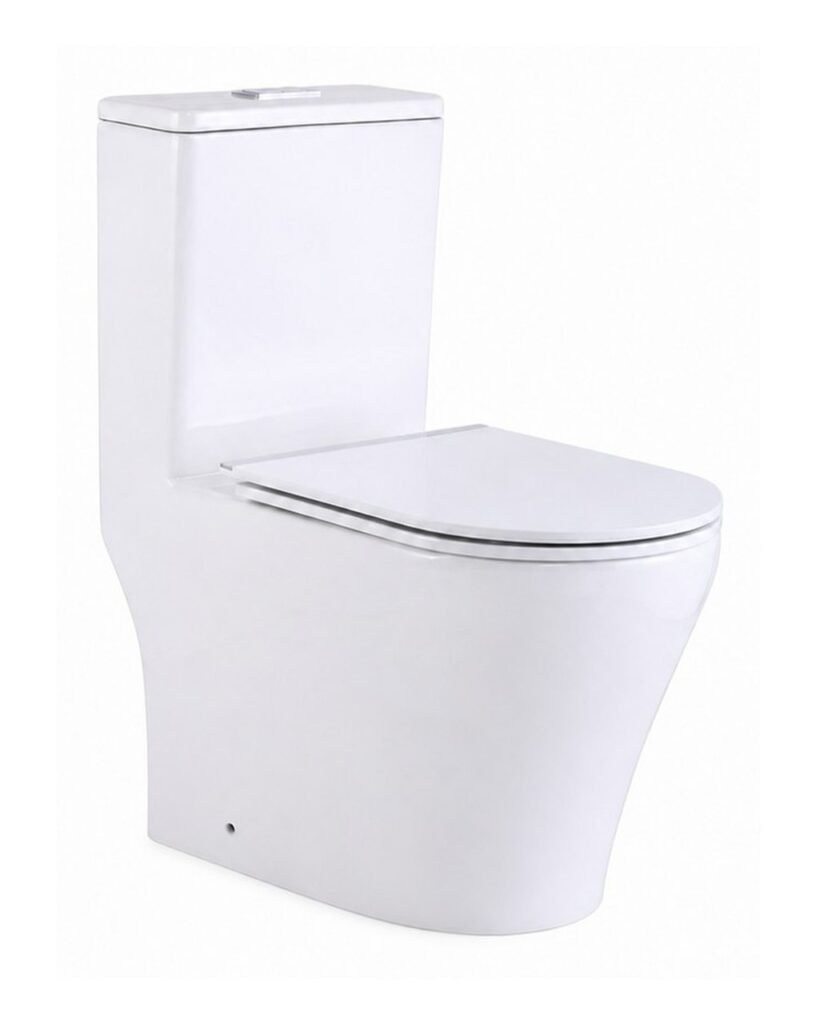
Every model we build is vitreous china, fired in our own tunnel kiln. What the body decides, what the AS 1976 test report measures, and what to ask a supplier.
Rimless Toilets Explained: What the Open Rim Changes
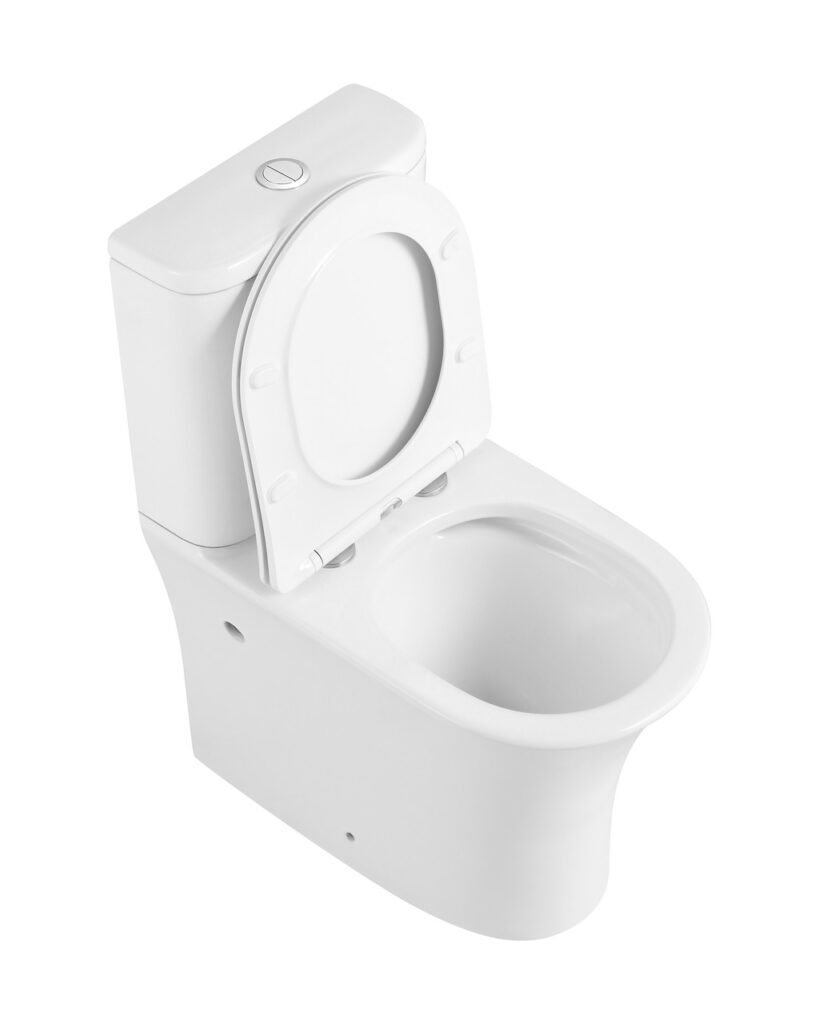
Rimless is a decision about bowl geometry, not flush power or mounting. What changes for a project, what does not, and how to verify the claim per model.
Dual Flush Toilets Explained: How Two Volumes Work
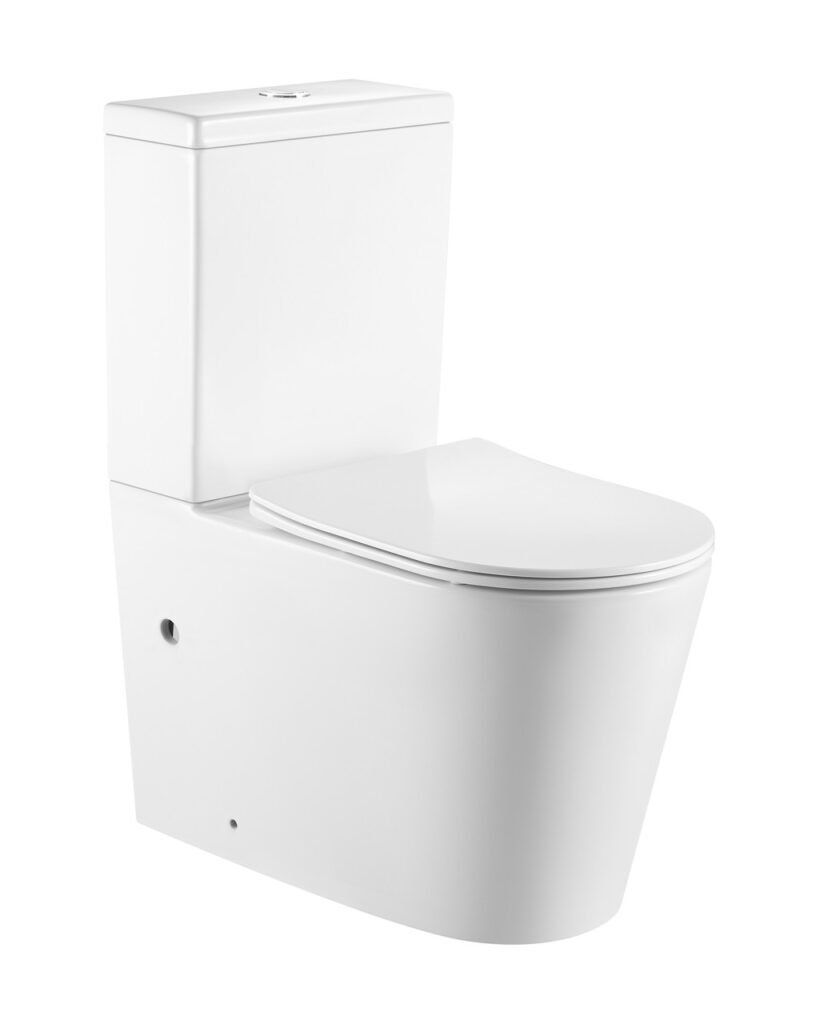
Dual flush is a mechanism, not a volume — and it decides who supplies the cistern. How the three actuations differ, and what to write into the order spec.
Coloured Glaze and Metal Trim: When MOQ 30 Makes Sense
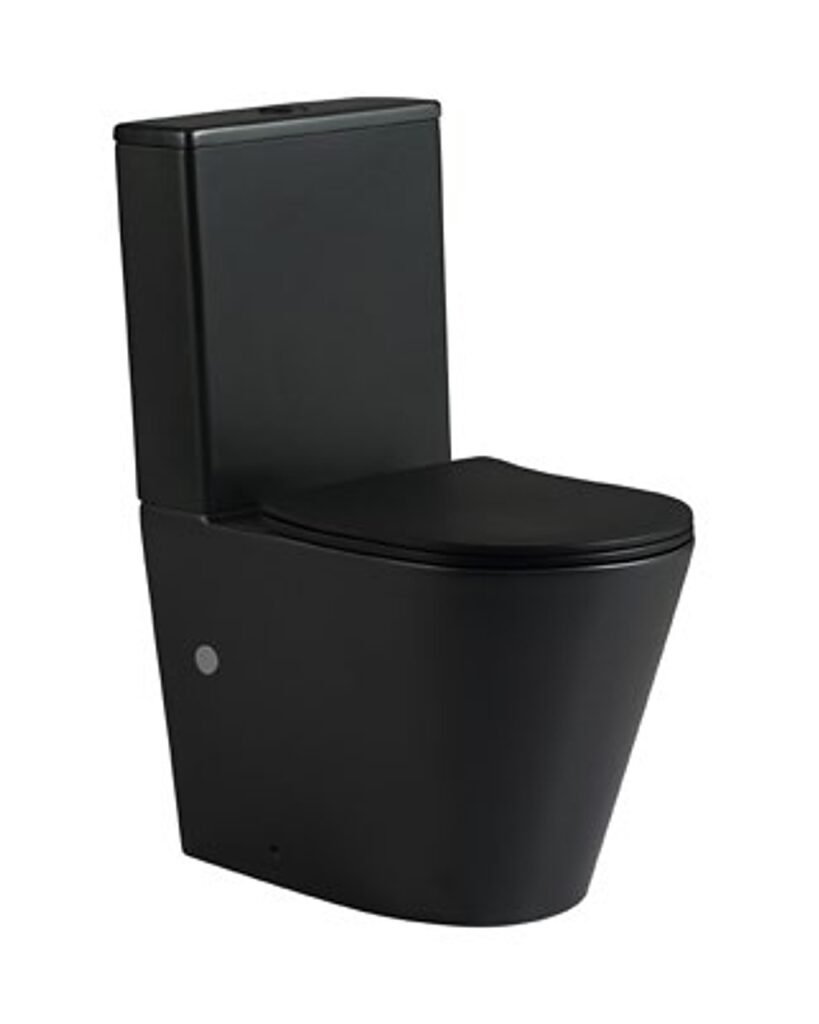
White-glaze models carry no minimum. A coloured body carries one, and the reason is in how the piece is made rather than in how it is sold.
Smart Toilets for Export: Voltage, Water Pressure & Support
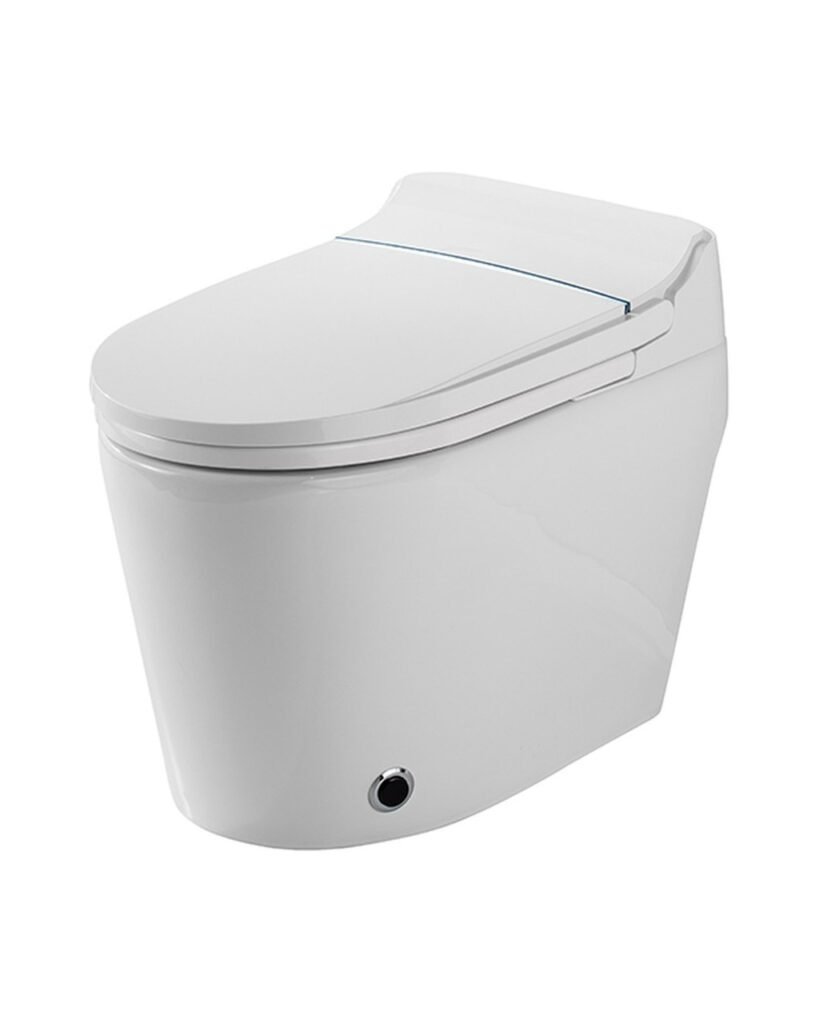
A smart toilet is an appliance as well as ceramic. Three parameters decide whether it works in your market — and all three are settled before the order.
Choosing a Bidet: Floor-Standing Basics & Matching Sets
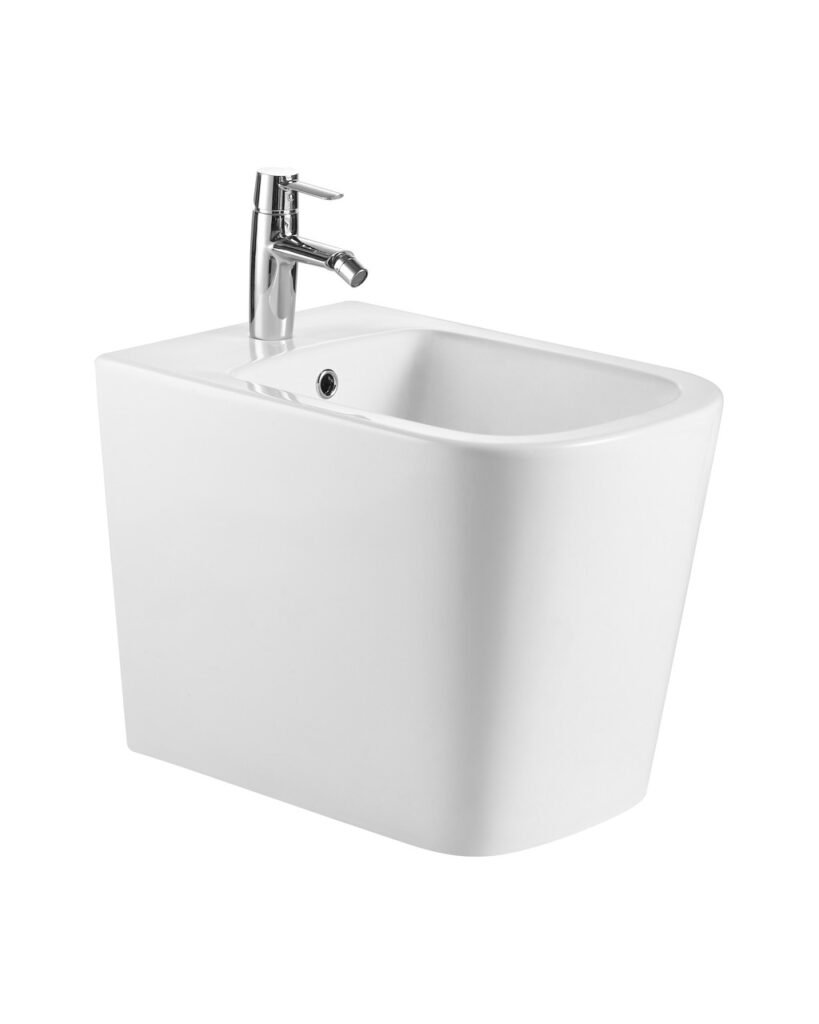
What importers settle before a floor-standing ceramic bidet ships — the plumbing it needs, the pairing with the WC, and the terms that apply to the range.
One-Piece vs Two-Piece Toilets: Which Fits Your Market?
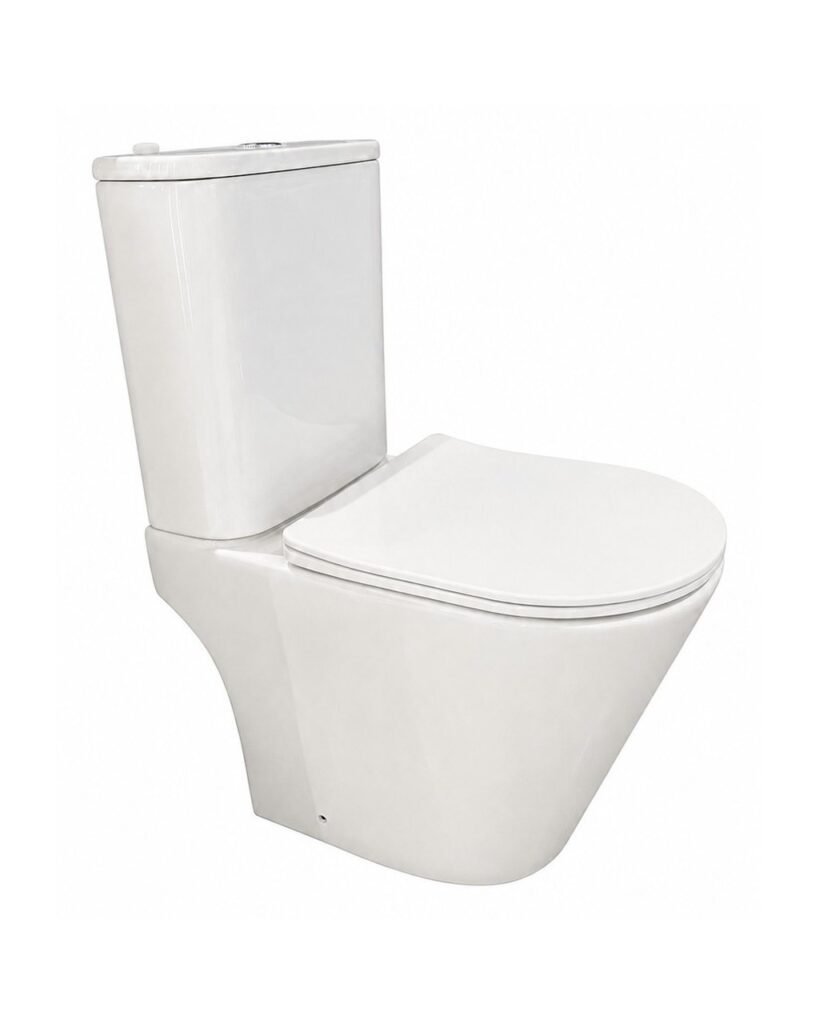
The structural choice that shapes cost, logistics and the finished look — a plain-language comparison for buyers.
Wall-Hung Toilets: What Projects Should Know Before Specifying
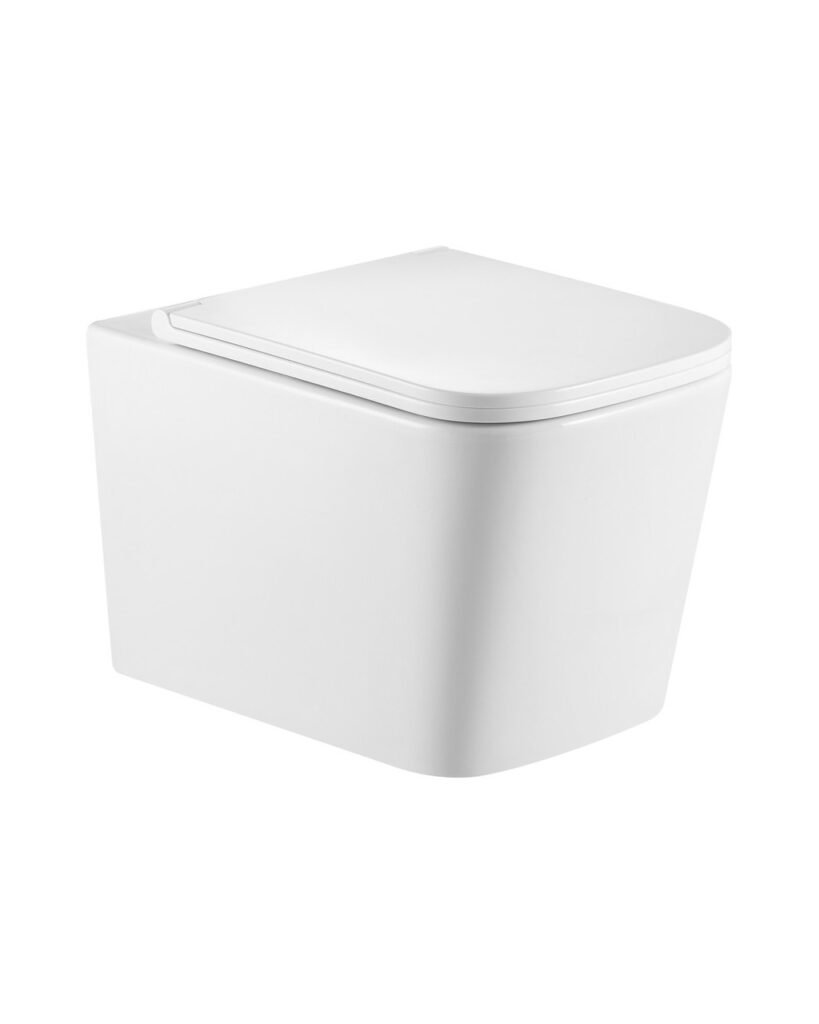
Clean floors, hidden cisterns and hotel-standard cleaning — the specification points that decide whether wall-hung is right for your build.