
Pinholes and Specks: Reading Glaze Defects
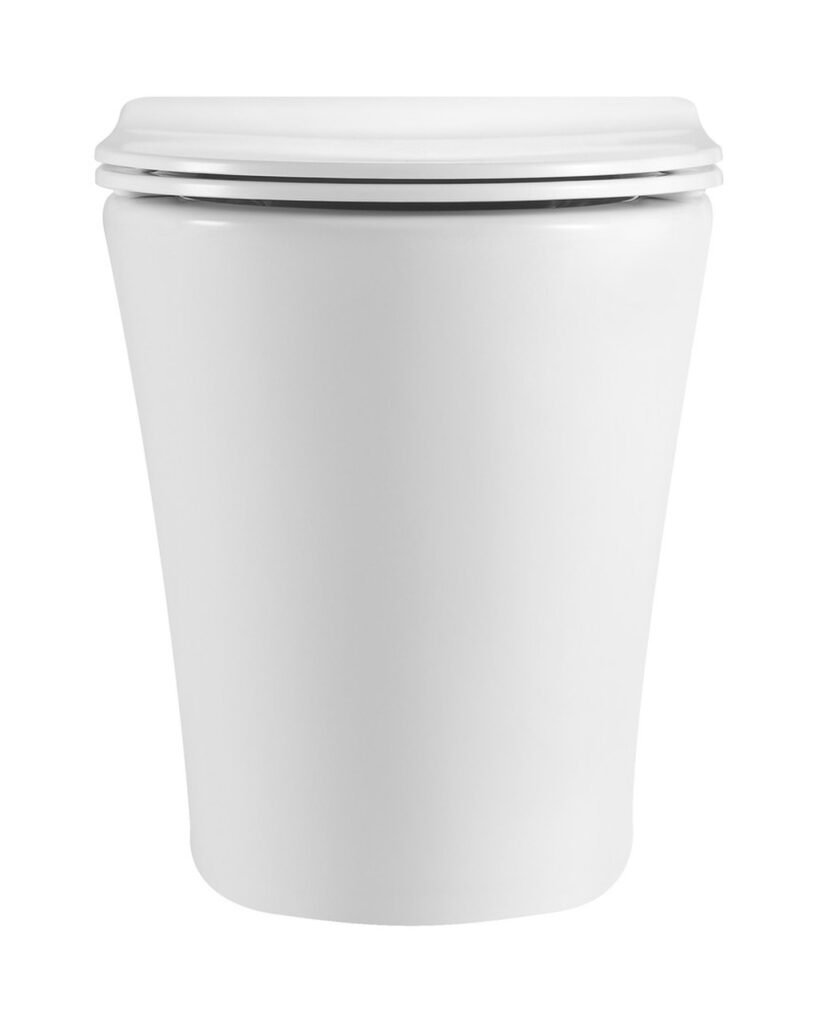
Small holes and dark specks are two different defects with two different causes. What each one means for a claim, and what to photograph.
Glaze Crazing: What Causes the Lines
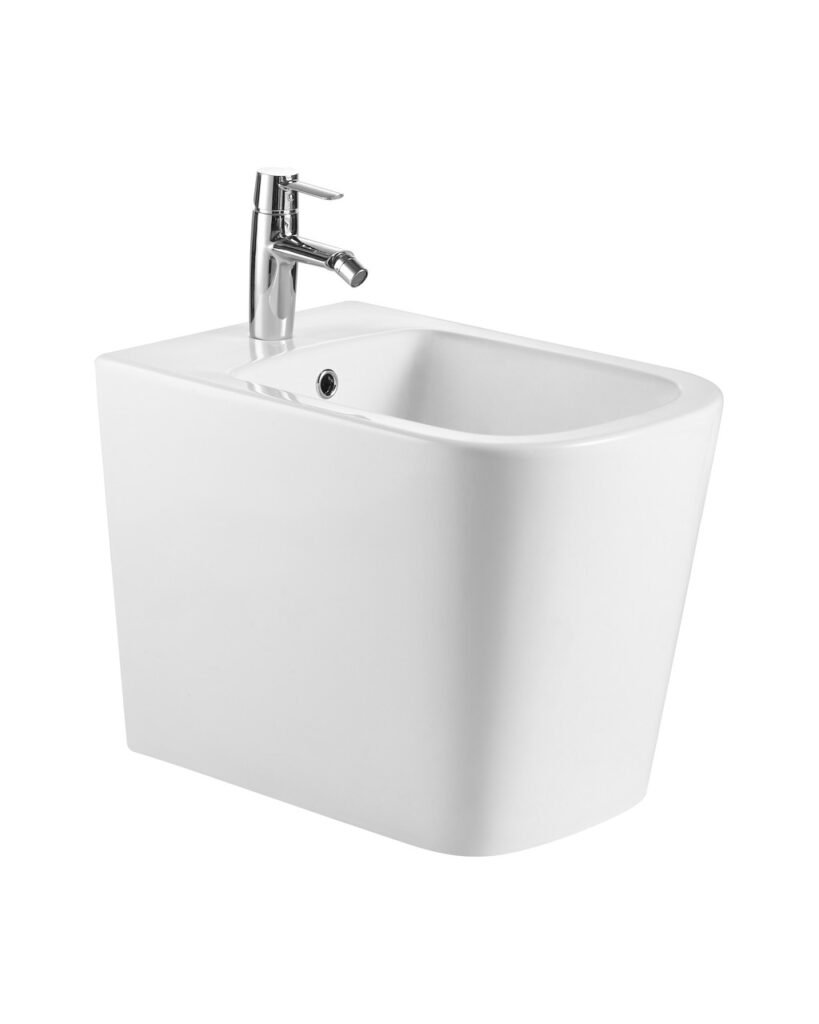
Thin lines in the glaze look like cracks but are not. What crazing is, what causes it, and which question settles whether it matters.
QC Before Packing: What a Factory Checks
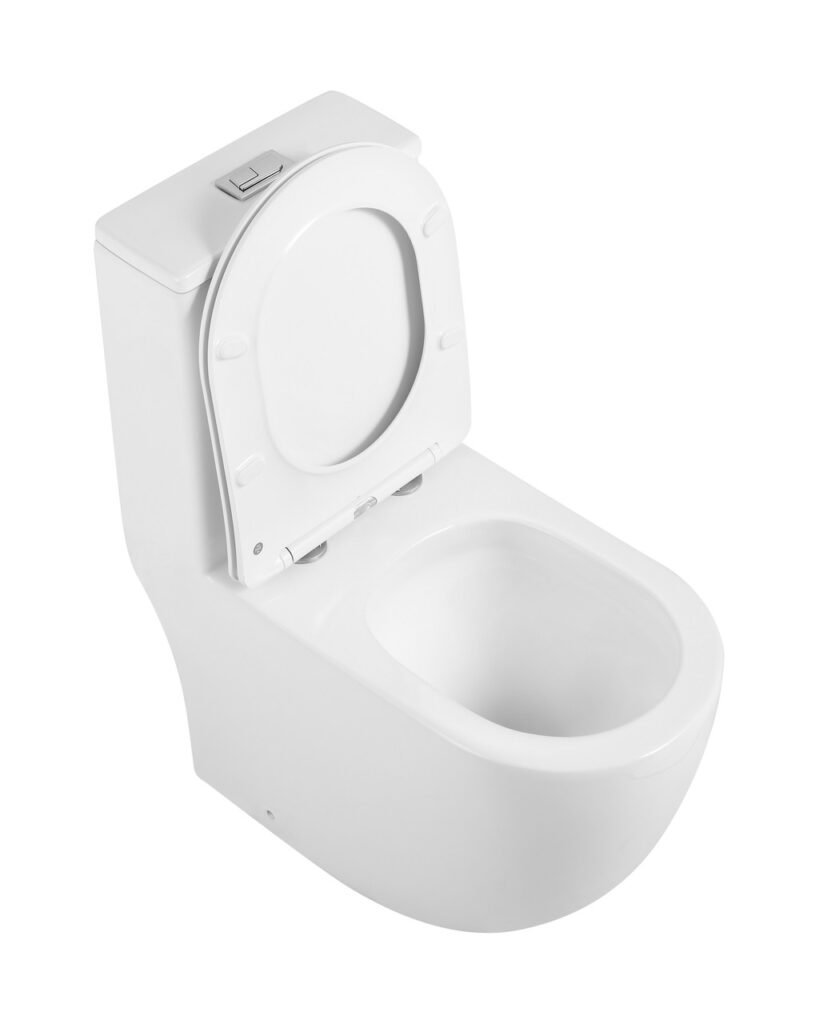
Inspection before packing is the last cheap moment to find a fault. The checks a fired pan goes through, and why some are visual only.
Tolerances in Sanitaryware: Why Millimetres Move
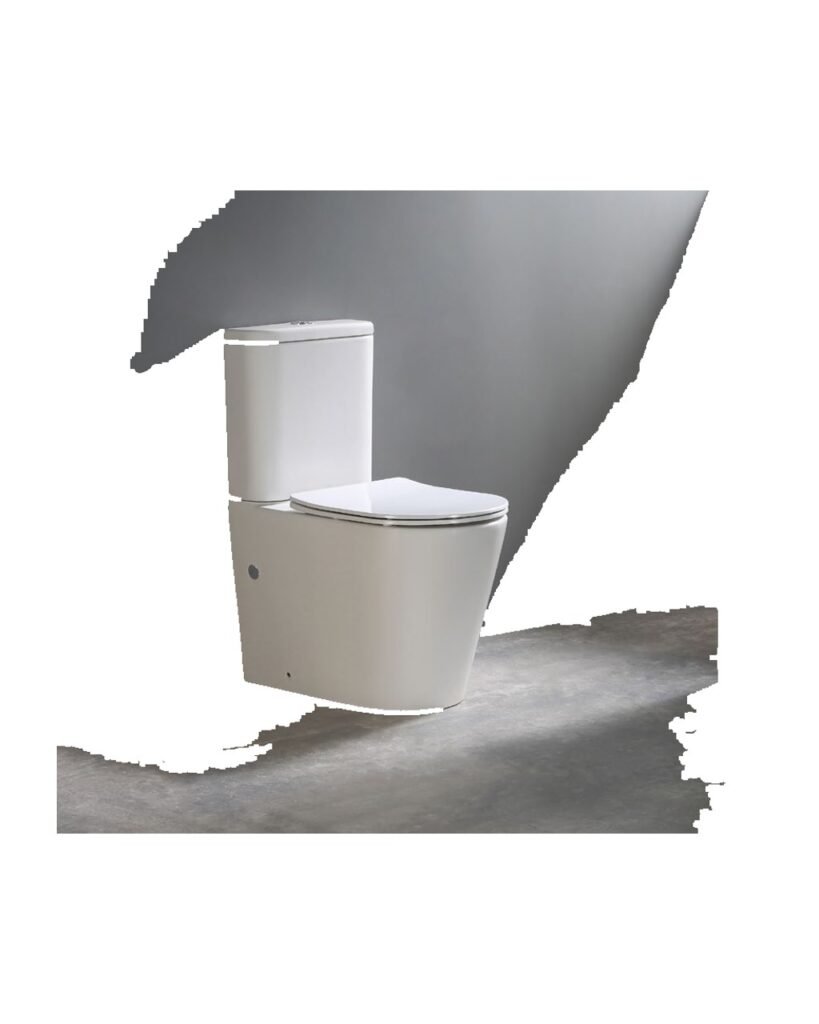
Firing shrinks and bends ceramic. Which dimensions are held tight, which are allowed to move, and how to write a tolerance into an order.
How Colour Is Applied: Glaze and Firing
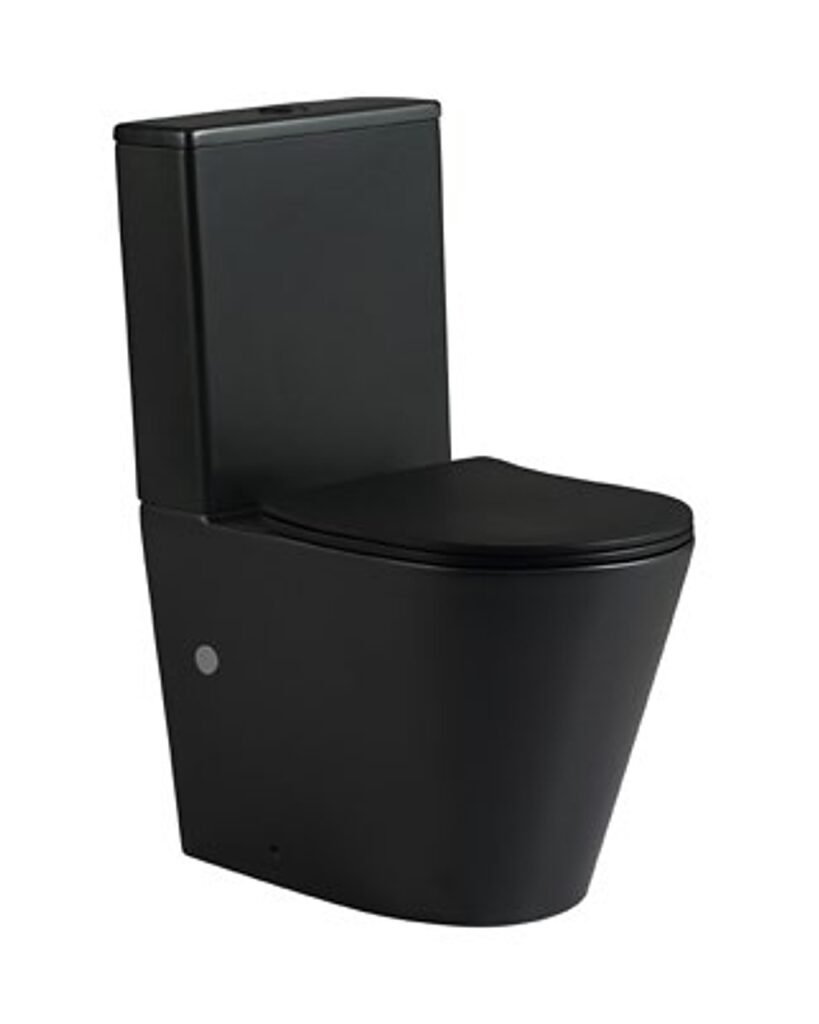
Colour on ceramic is glaze chemistry, not paint. Why a swatch cannot promise a batch, and what to fix in writing before a coloured order.
Water Absorption and How a Body Is Classified
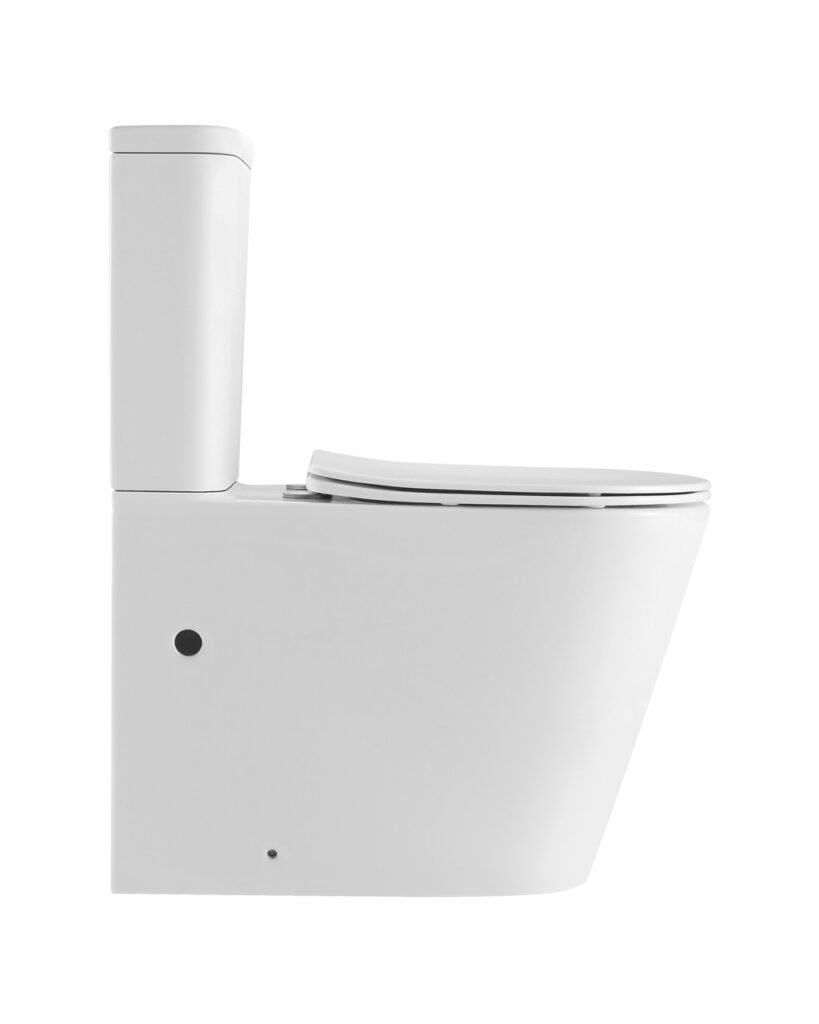
Water absorption is the number that decides what a body is called. How it is measured, why firing sets it, and the one figure we publish.
What a Wall-Hung Pan Hangs On
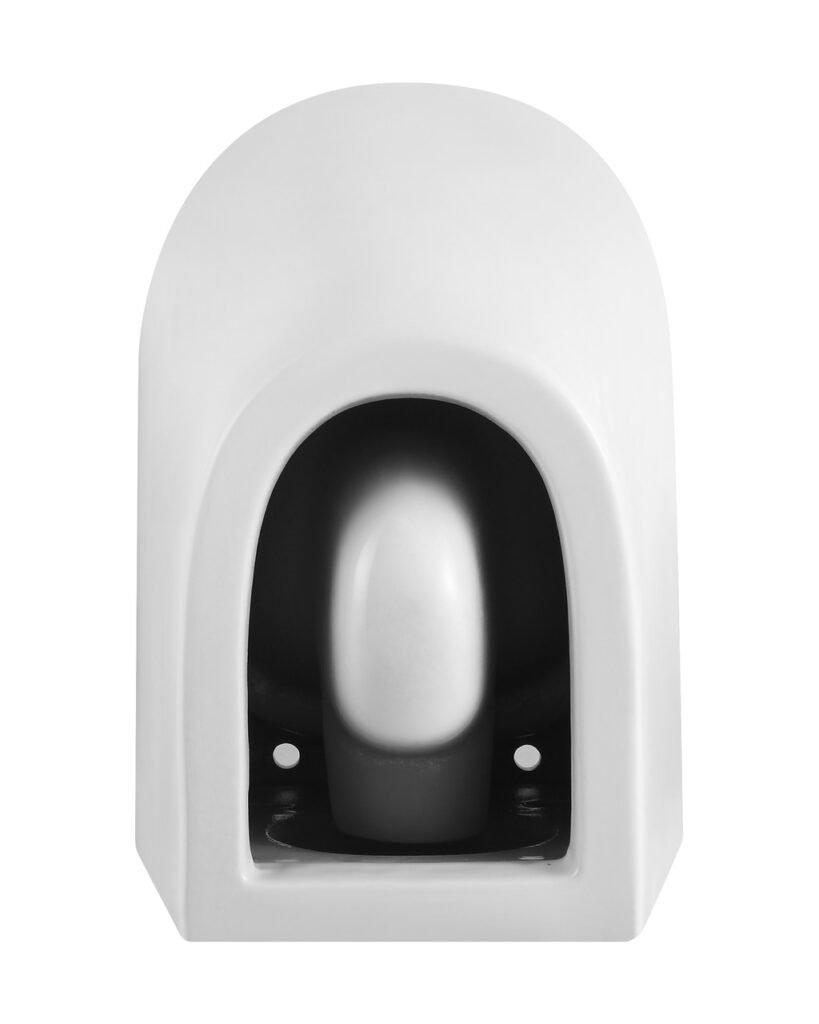
A wall-hung pan is held by the frame, not the wall. What the frame rating means, who confirms it, and what to check before tiling starts.
Flush Plates and Actuators: Choosing the Interface
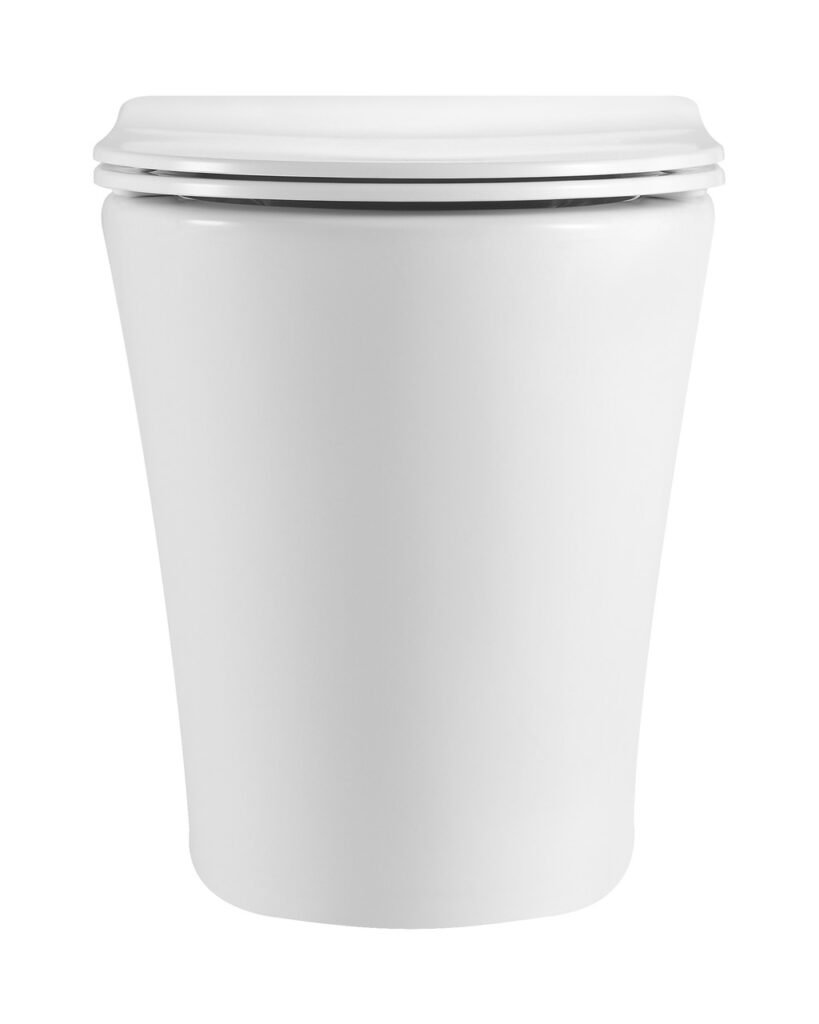
The plate is chosen last and decides the most: cut-out size, fixing centres and who supplies it. What to settle before the wall is closed.
Concealed or Exposed Cistern: Who Supplies What
A concealed cistern moves the tank behind the wall and the responsibility onto somebody else. Who supplies the frame, the plate and the warranty.
Toilet Dimensions: What Each Number Decides
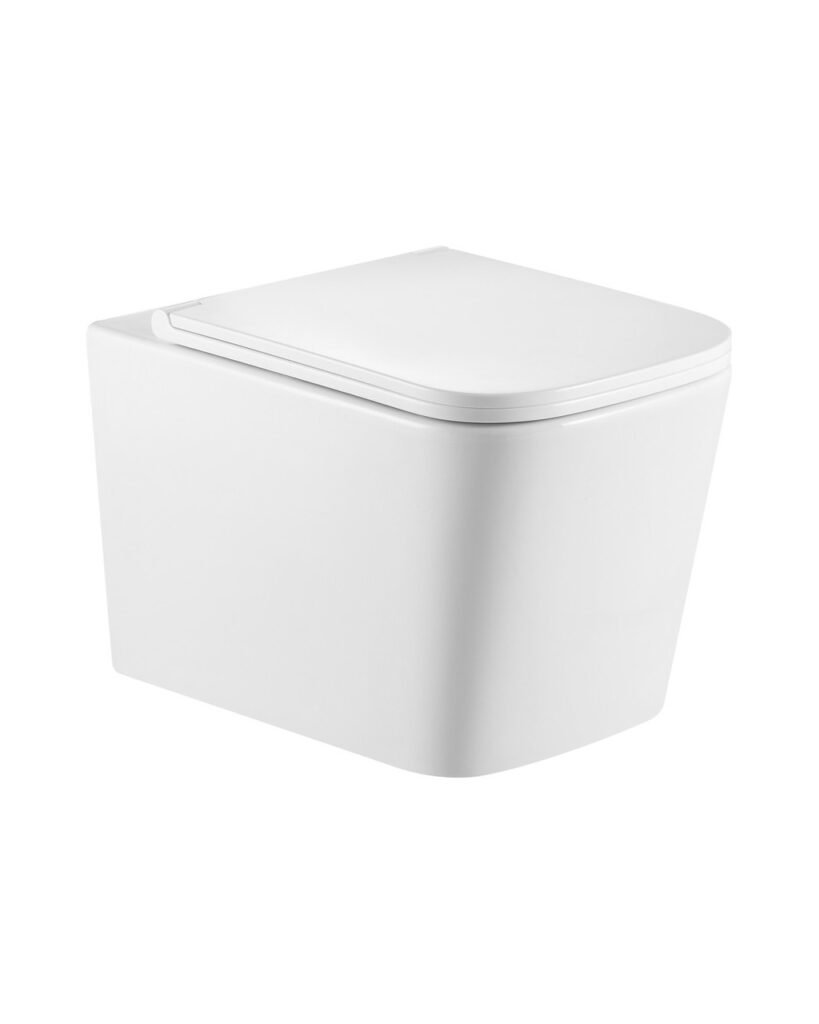
Width, depth, height and rough-in decide four different things. Which number to check first, and which ones the installer has to work around.