
Water Pressure and Fill Valve Choice
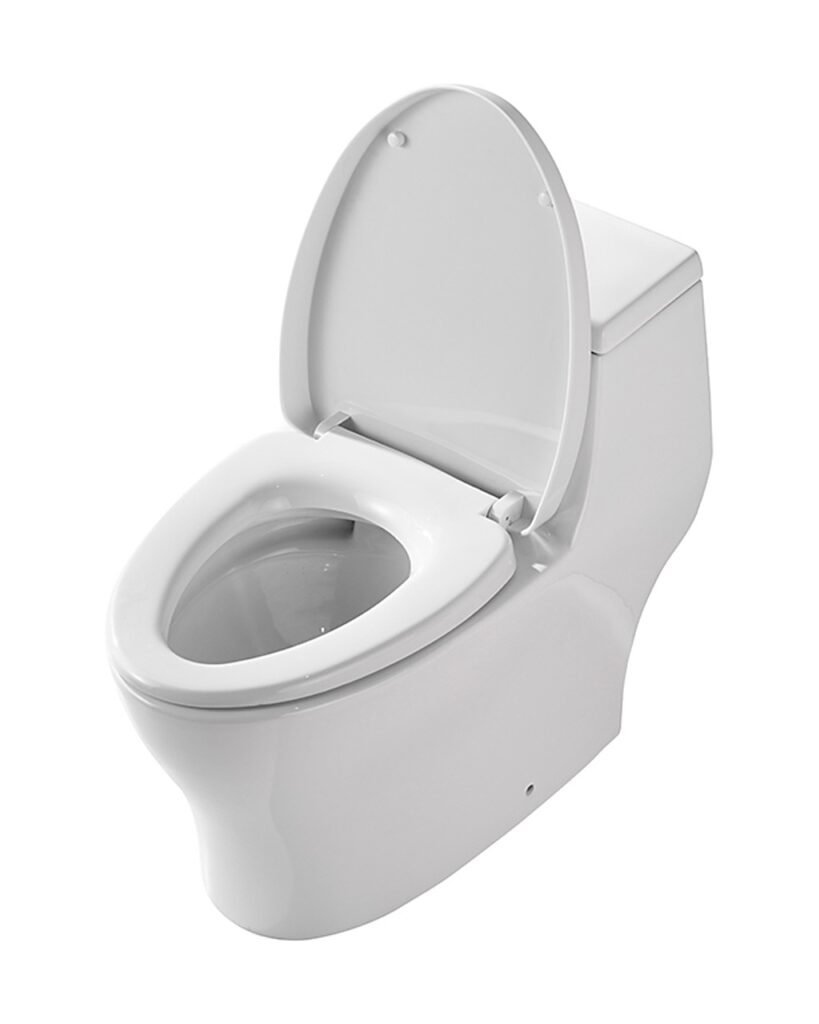
A fill valve sized for the wrong pressure is noisy, slow, or never shuts off. How to specify one against the pressure you actually have.
Why Two Shipments Can Look Different
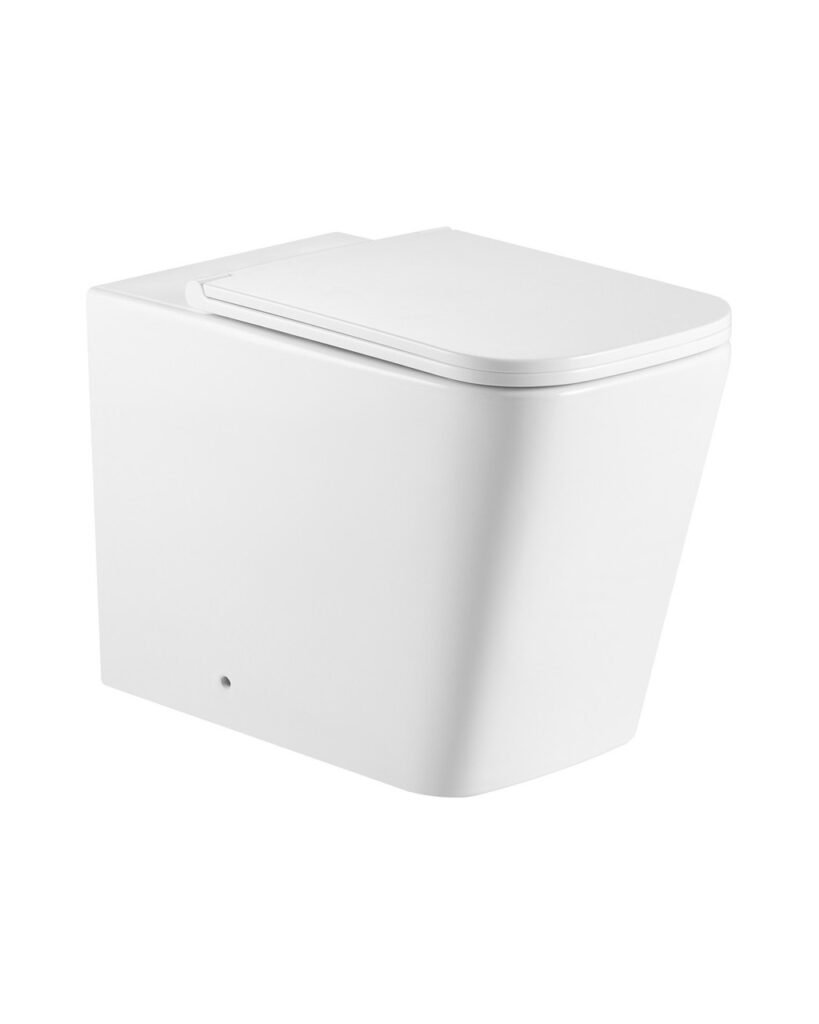
Two shipments of the same model can differ in shade. What a firing run does to colour, and how to write a tolerance both sides can sign.
Condensation on a Cistern: What It Signals
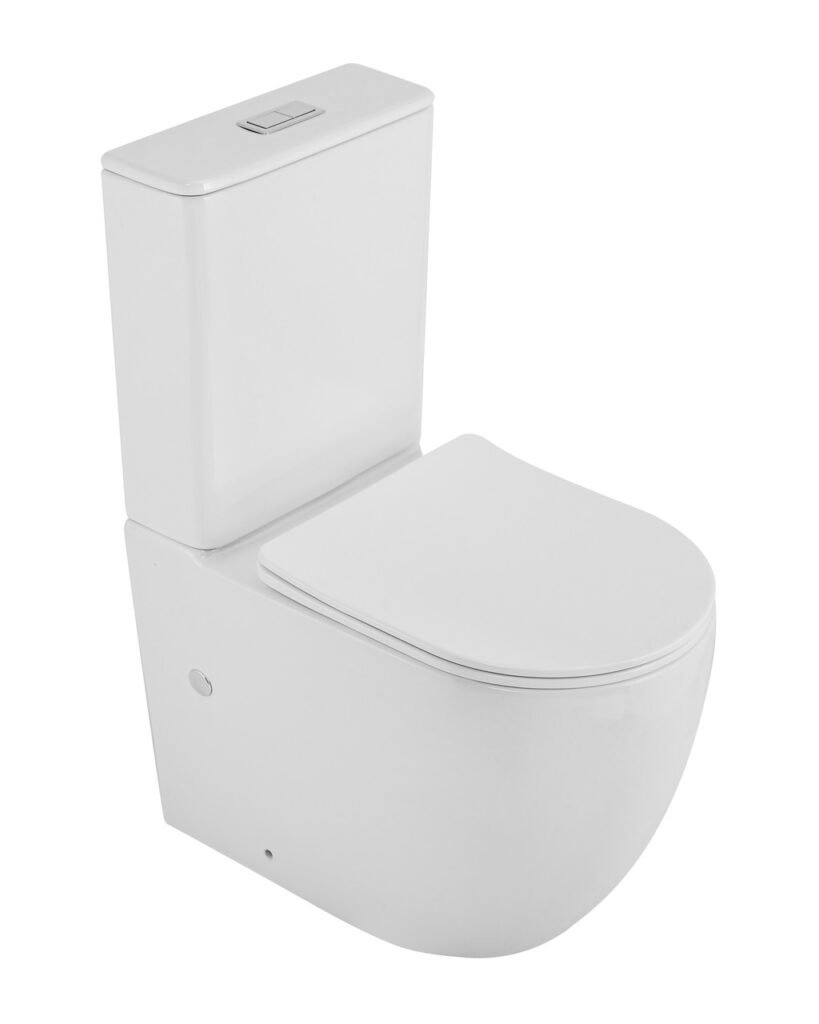
Water on the outside of a cistern is usually not a leak. When condensation is normal, when it points to a cold feed, and what to do about it.
Replacing a Cistern Inlet Valve
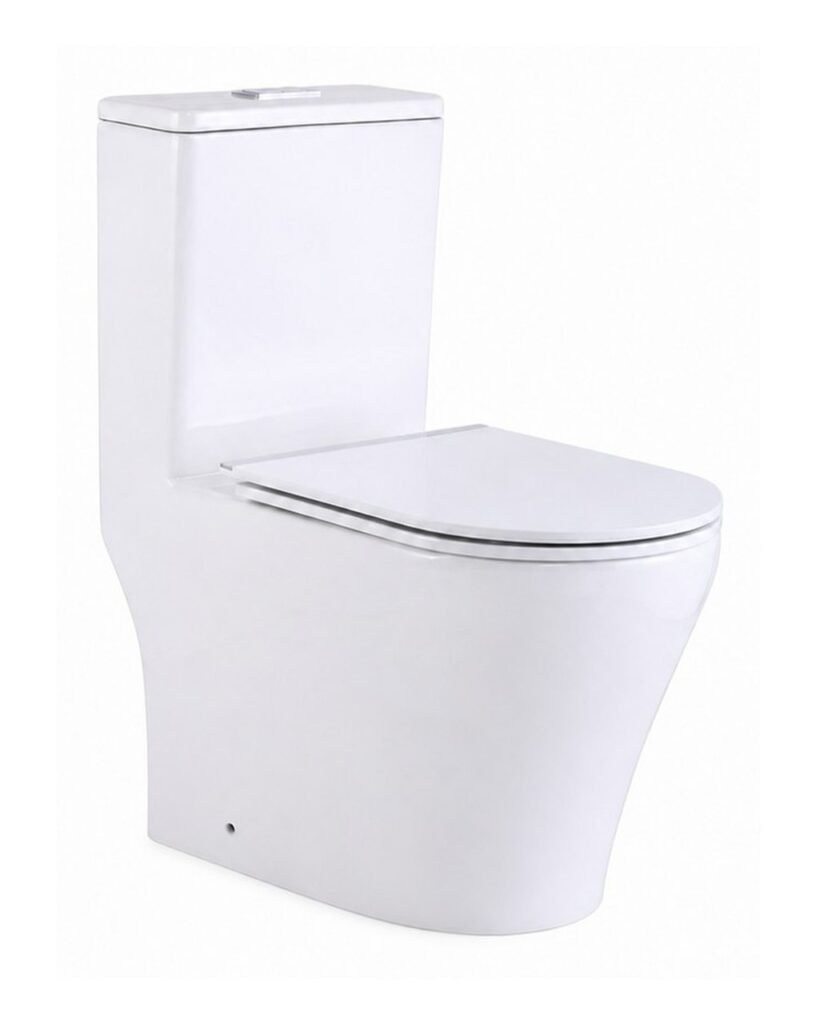
The inlet valve is the part that fails first. What to check before ordering a replacement, and why the fill rate has to match the cistern.
Wax Ring or Pan Connector: Sealing the Outlet
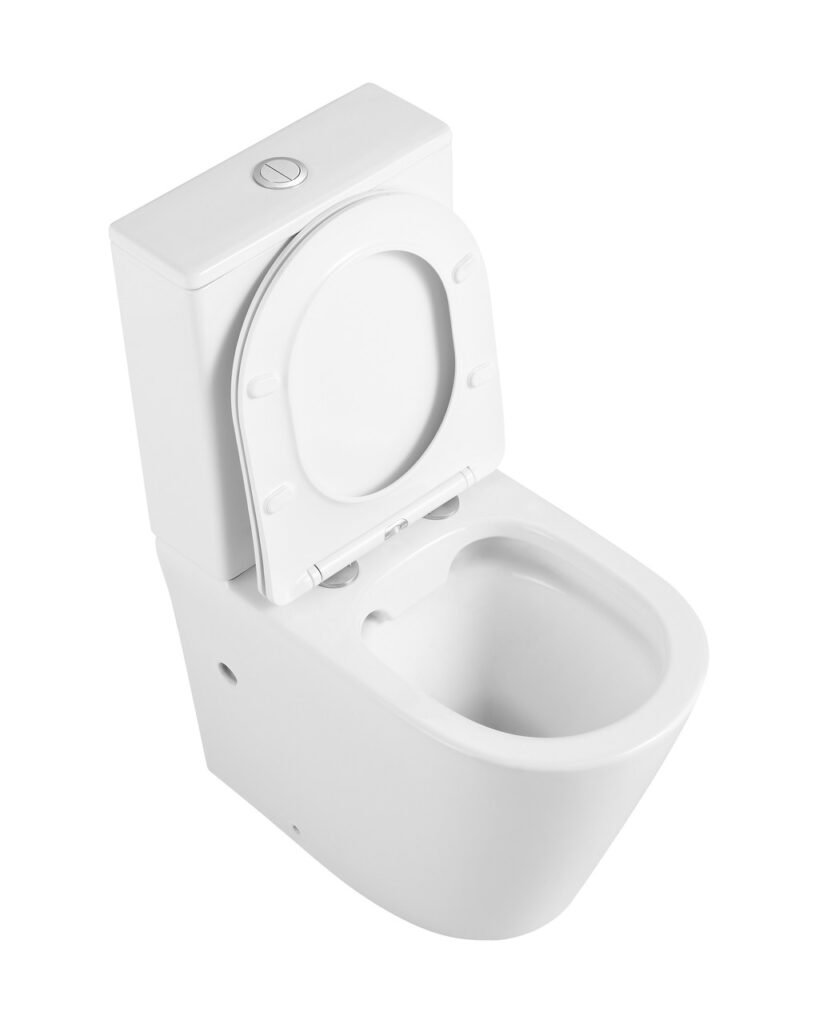
The outlet connection is where leaks start. Wax, rubber or a flexible connector — what each one suits, and what the floor has to allow.
The Pan That Rocks: Causes and Fixes
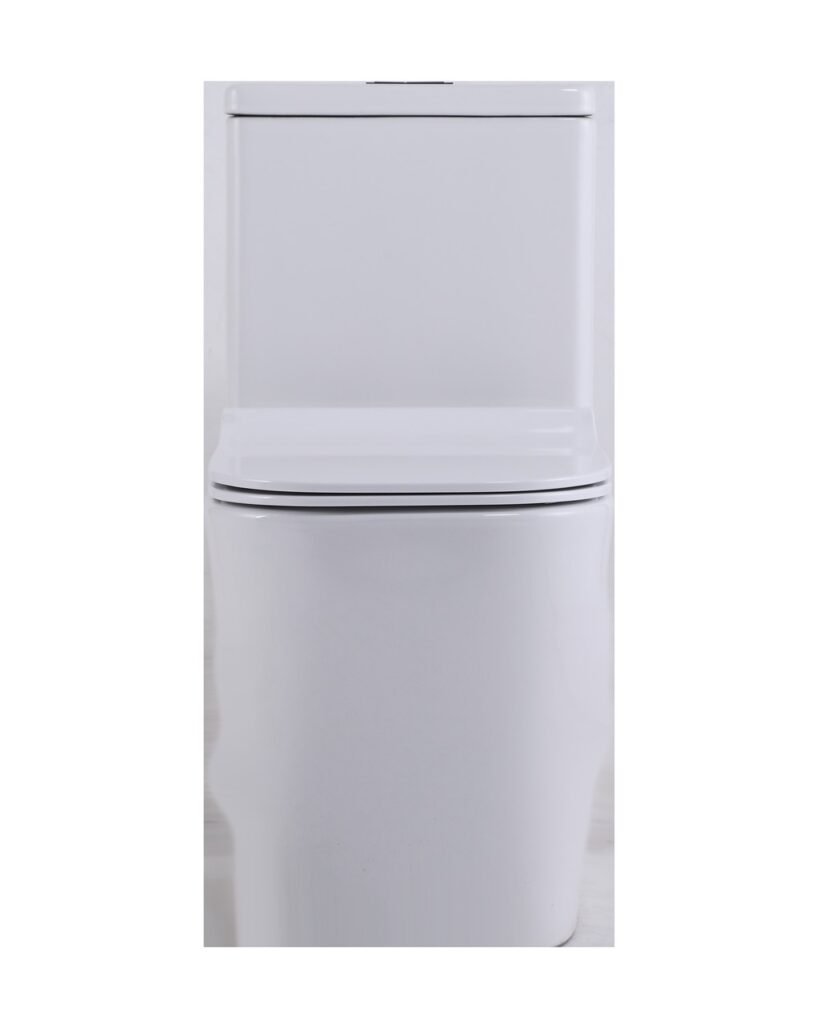
A pan that moves is not always a pan problem. The four reasons a fitted toilet rocks, and which of them the supplier is answerable for.
Using a Factory Catalogue and Drawing Set
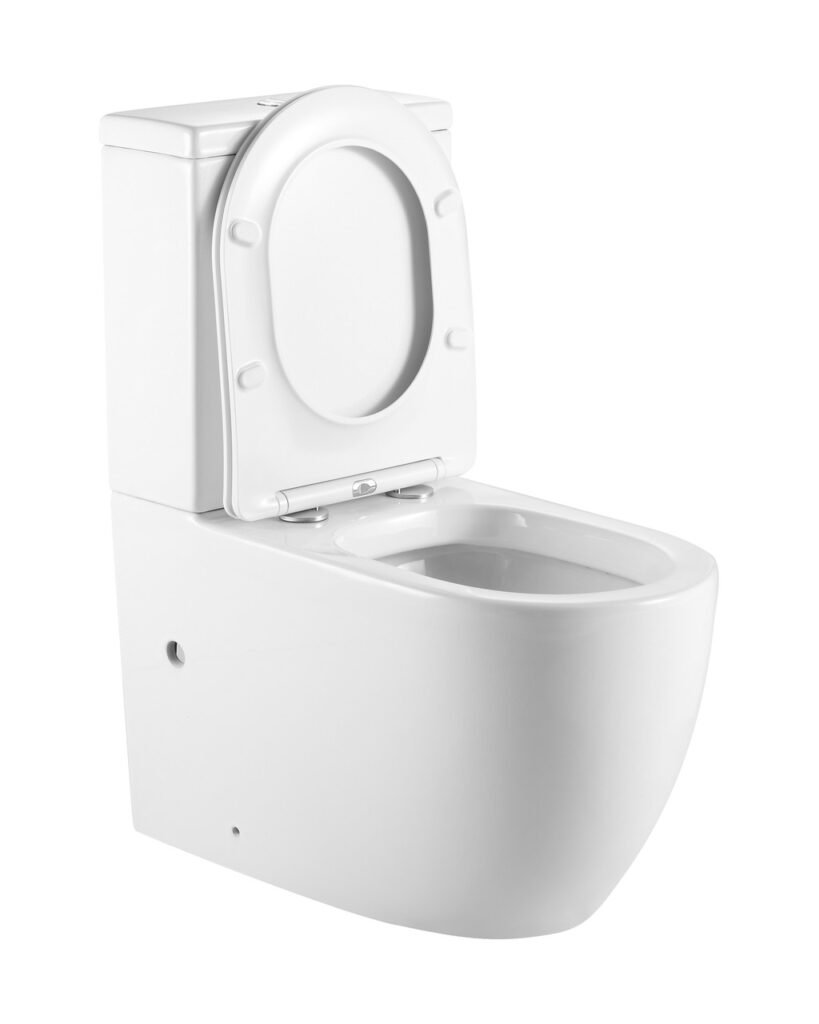
A catalogue is a price list with pictures. A drawing set is the document that decides whether the pan fits. How to read both together.
Spare Parts and Serviceability
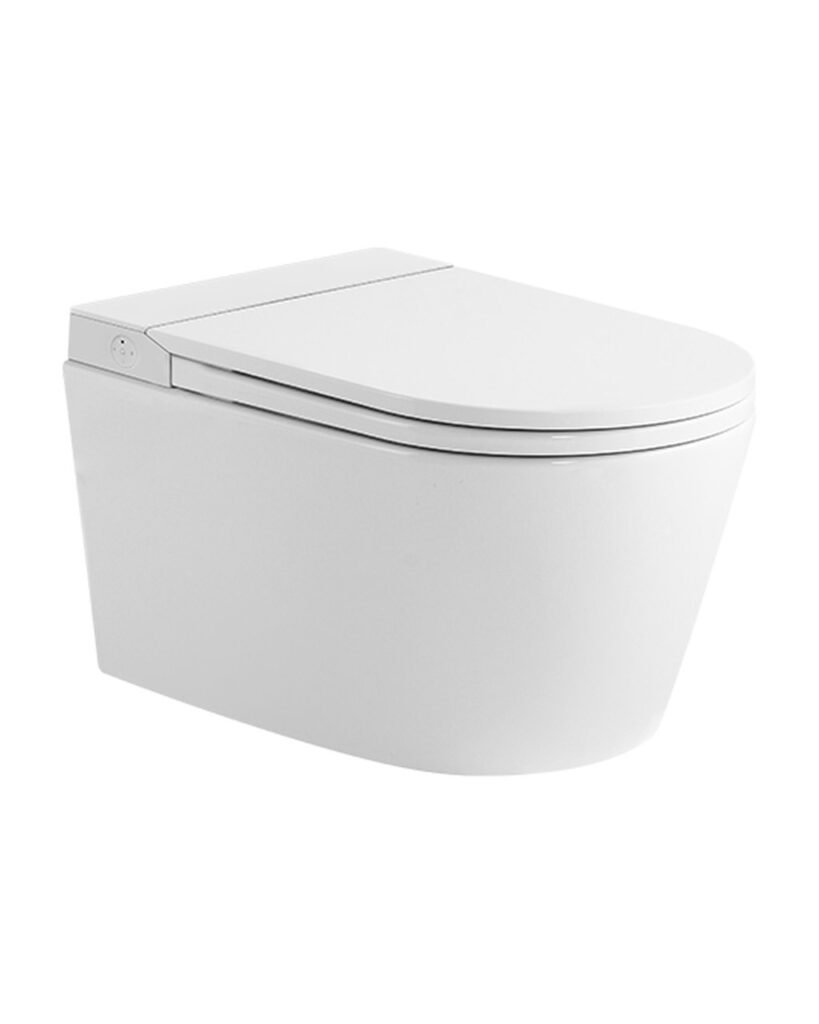
Smart toilets fail in ways ceramic does not. What spares to hold, what is field-serviceable, and the question to ask before the first order.
Landed Cost for a Container of Toilets
Landed cost is not the invoice plus freight. A structure for building it line by line, and the three lines that surprise first-time importers.
Batch Codes and Traceability on Ceramic Ware
A mark on the underside is the only thing that ties a delivered pan to a firing run. What traceability should let you do, and what to ask for.