
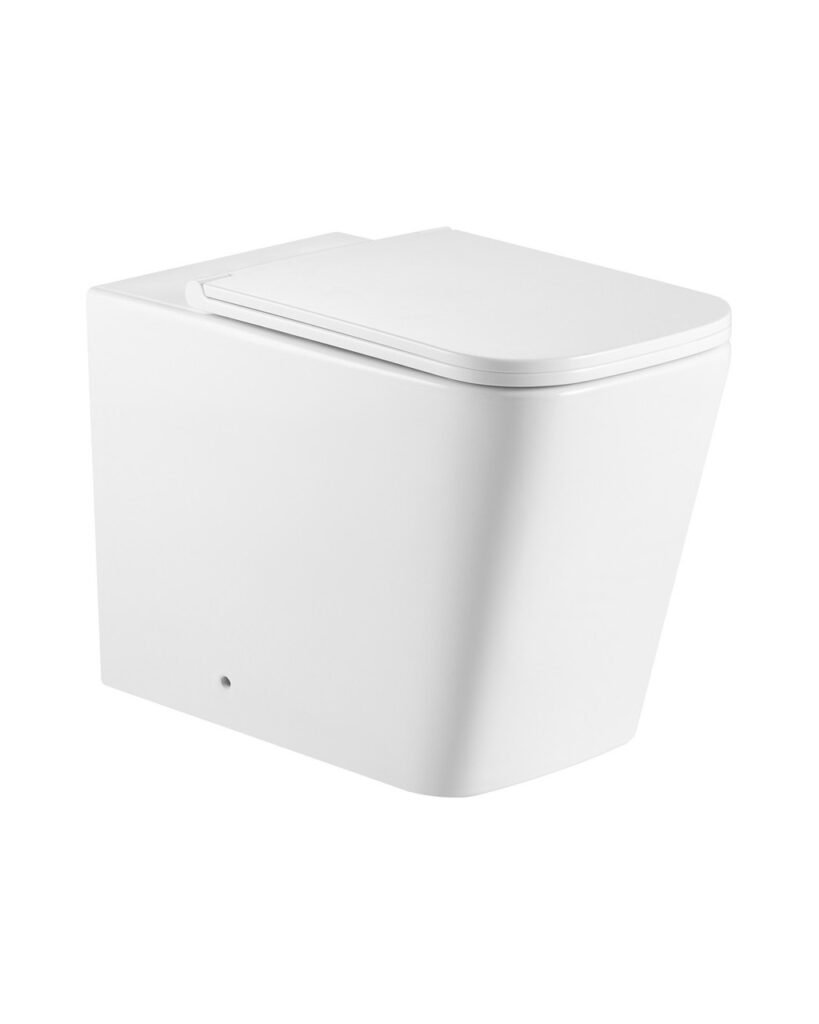
The complaint that arrives with the second container
The first container was fine. The second container is the same model, the same code, the same order — and when the two are opened side by side in the same warehouse, one looks warmer than the other. Nobody is imagining it: put two white pans from different runs against the same wall and a difference is often visible. The question that decides what happens next is not whether there is a difference, but whether the difference is inside the range both sides agreed to.
That range is almost never written down, which is why this complaint is one of the most common and one of the hardest to close. A buyer who has no agreed tolerance has only two positions: accept everything or reject everything. A supplier with no agreed tolerance has only one defence: that the difference is normal. Neither position settles anything, and both cost money.
Same model, same glaze, different run
It helps to separate three things that buyers often treat as one. A model is a shape and a set of dimensions. A glaze is a formulation. A firing batch is a specific set of pieces that went through the kiln together on a particular day, under particular conditions. The first two are design and recipe, and they are stable. The third is a process event, and it is never perfectly repeatable.
That is why two shipments of the same model can differ. The glaze formulation did not change; the run did. Colour in fired ceramic is produced by the glaze and the body interacting under heat, and heat is not uniform — not across a kiln, not between one firing and the next. Two batches can both be correct to the recipe and still sit at slightly different points within its natural range.
What a firing run does to colour
Four variables move within a run, and each leaves a signature.
- Position in the kiln. A tunnel kiln has a temperature and atmosphere profile along its length and across its width. Pieces fired near a side wall or at a stack position see slightly different conditions from pieces in the centre.
- Atmosphere. The balance of gases in the kiln affects how colouring oxides in the glaze develop. Small drifts in that balance shift a white towards warm or cool rather than changing it outright.
- Glaze batch. Glaze is prepared in batches, and a new batch of the same formulation can differ marginally in particle size and solids, which changes how it lays down and how it fires.
- Body batch. The body beneath the glaze is not invisible. Its iron content and its fired colour influence what the glaze reads as, especially on a thin application.
None of those is a fault. They are the reason ceramic colour is specified as a range rather than a value, and the reason a factory records a batch code on every piece: without it, a colour question is a conversation about memory.
Why “same model” is not “same colour lot”
A colour lot is a group of pieces fired together that read as one colour when placed together. A model number says nothing about which lot a piece came from. So an order for a model is an order for a shape, not a promise about shade, unless shade is written into the order as a separate requirement.
This is where project work differs from retail replenishment. A hotel that fits a whole floor from one lot has no problem. The same hotel, topping up a floor a season later from a new lot, may see a difference in the corridor — not because either shipment is wrong, but because the two were never the same lot. The practical answer is to order the quantity for a phase in one lot where the phase will be seen together, and to say so on the order so the factory can plan the run.
The viewing condition decides half the argument
A large share of shade complaints are produced by the comparison rather than by the goods. White ceramic is close to a mirror for its surroundings: it picks up the colour of the wall behind it, the floor below it, and the light above it. Two pieces that match under one light can differ under another, and two pieces that differ under a warehouse fluorescent tube can match in daylight.
Before a difference is treated as real, the comparison needs to be controlled. Same light source for both pieces, ideally daylight rather than mixed artificial light. Same background, preferably neutral. Same distance and same angle, because a gloss surface changes with the viewing angle in a way a matt surface does not. Pieces side by side rather than one after the other, because memory is a poor colour reference. That is not pedantry — it is the difference between a finding and an impression, and any surveyor asked to arbitrate will impose those conditions anyway.
What the two batches look like together
The drawing below shows the situation as it is usually discovered: one model, two runs, placed side by side.
Two things follow from the drawing. The form is the same in both panels, which is the point: a shade difference is not a shape difference and should never be argued as one. And the comparison is only valid because the two pieces are in the same light at the same time — the label under the panels is the method, not decoration. Move one piece to another room and the same two batches can appear to match.
Writing a tolerance both sides can sign, and the documents behind it
The only durable solution is a written tolerance, agreed before production. It does not need to be complicated, but it does need five elements, and each one closes a specific argument:
- An approved sample, held by both sides. Not a photograph — a physical piece, signed and dated, from which production is judged.
- A stated range around that sample: what may differ, in which direction, and by how much in visual terms rather than in numbers nobody can measure on site.
- The viewing condition: the light source, the background, the distance and the angle at which the comparison will be made.
- Who inspects, and at what stage — at the factory before packing, at arrival, or both.
- The remedy, stated in advance: replacement of affected pieces, acceptance with a note, or acceptance of the lot as one colour group.
Two of those five are usually missing, and they are the two that matter most: the physical sample and the viewing condition. A tolerance written without them becomes a debate about whose eyes are better, which no factory and no buyer can win.
When it is a defect and when it is the process
Not every colour difference is normal variation, and the distinction is worth stating because it changes who pays. A shift within the range of the recipe, spread across a run, is the process. A patchy difference on a single piece — one area of a pan warmer or greyer than the rest of the same piece — is a defect, because the piece was fired unevenly against itself. A difference between two finishes of the same colour is neither: a matt and a gloss surface of the same glaze read differently by design, and comparing across finishes is comparing two products.
Coloured and matt finishes are also where volume discipline shows. Those finishes carry a minimum of 30 per model, which exists precisely so that a colour can be run as a controlled batch rather than as an occasional interruption. A buyer who orders a colour in small quantities across several orders should expect more variation between those orders than a buyer who takes the quantity in one run.
Three documents make this conversation short. The batch code, recorded on the piece and the carton, ties a delivered pan to the run that produced it. The factory’s record of that run holds the glaze batch and the firing conditions. And the approved sample, if both sides kept one, settles whether what arrived is inside the range.
We can support all three. Bodies are fired in our own tunnel kiln at Chaozhou, with glazing and firing in the same plant as casting and QC, so a batch code points to a real record rather than to a subcontractor. The range is 89 vitreous china models, produced since 2021 on a 51,000 m² site with 285 people. Samples are free, which makes an approved physical sample practical rather than a cost item — and for a buyer running repeat phases, that sample is worth more than any paragraph about colour control.
Frequently asked questions
Why do two shipments of the same model differ in shade?
Because they were fired in different batches. Position in the kiln, atmosphere, glaze batch and body batch all shift slightly from run to run, and fired colour follows those shifts. The model and the glaze formulation can be identical while the tone is not.
Is a shade difference a defect?
Usually not. A difference spread evenly across a run is normal variation within the recipe. A patchy difference on one piece is a firing defect. A difference between a matt and a gloss version of the same colour is neither — those are different finishes.
How should an acceptable range be set?
From a physical approved sample held by both sides, with the viewing condition written down: light source, background, distance and angle. Then state what may differ and what the remedy is. Without the sample and the condition, a range is an opinion.
Should the comparison be made in daylight?
Daylight is the fairest single source, and it should be the same light for both pieces at the same time. Mixed artificial light and fluorescent tubes distort white ceramic. Whichever source is written into the tolerance becomes the reference for any later dispute.
Can a whole project be kept to one shade?
Only by ordering the quantity for the phase in one lot and saying so on the order, so the run can be planned. Topping up a visible area from a later run is where differences show. Where a project is phased, order each visible phase together.
Can I get a physical sample to approve?
Yes. Samples are free, and a signed sample kept by both sides is the most useful document in any shade discussion. Keep it somewhere dry, and record the date it was approved, so a later comparison has something to compare against.
Related on this site
Documents and certificates
Related reading
- How firing produces colour depth in a glaze
- Batch codes and how a piece is traced
- Condensation on a Cistern: What It Signals