
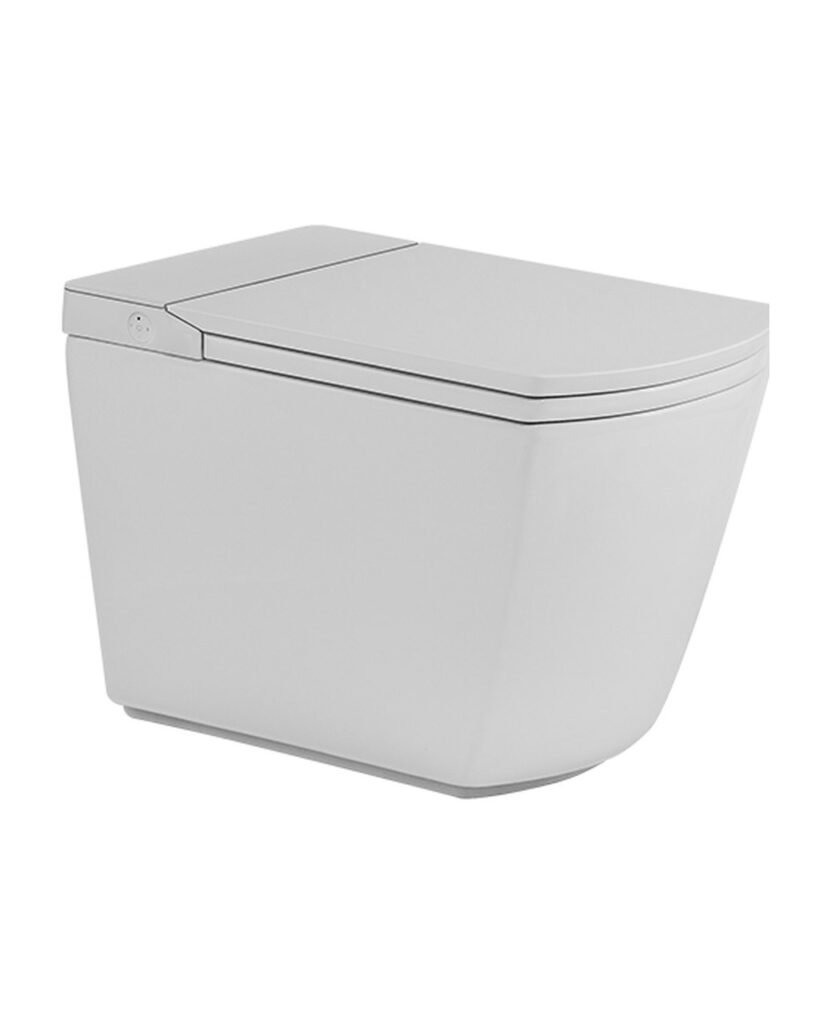
Same model, three prices
Three quotations for the same model should carry the same price. They rarely do, and the gap is usually not a difference in the factory’s cost. It is a difference in what each quotation includes, and until that is classified, the cheapest number is not cheaper, only smaller.
The useful habit is to classify the gap before negotiating it. A price difference has a source, and most sources fall into a short list. Name the source and the negotiation becomes a question about a specific line rather than a demand for a better figure.
Classify the gap before you negotiate
Line the three quotations up side by side, then ask of each one: is this price lower because it includes less. The answer is almost always yes, and it points to a line that one quotation carries and another leaves out.
One more habit helps: ask each supplier to quote the same order, in the same units, with the same destination and the same term. When the request is identical, the replies become comparable, and the differences that remain are real ones. When the request is vague, three suppliers will fill the gaps three ways, and the buyer ends up comparing three different orders rather than three prices.
Six sources cover most of the gap. Read down the list, and the three quotations stop looking like three prices and start looking like three different products.
Specification differences
The first source is the contents of the set. One quotation may include the seat and the fittings, and another may price the ceramic body alone. Same model code, different contents, different price. Before comparing the numbers, confirm that the specification line names the same model and the same included parts in all three.
Finish is the second trap inside the same line. A quotation for a white-glaze piece and one for a coloured or matt finish are not comparable, because those finishes are produced in their own runs and quoted at a minimum of 30 pieces for that model.
Packing, lead time and payment
Three operational lines produce the next share of the gap. Packing changes both the cost and the risk, so a quotation with a lighter packing standard can be lower and more exposed at the same time. Lead time changes the schedule behind the price, since a shorter window may mean a different place in the queue.
Payment changes the cost of the money. A structure built on telegraphic transfer and one built on a letter of credit are not the same offer, because the credit carries bank cost. The gap between two quotations can sit in the payment line alone, with the goods identical.
Documents
The document line is easy to overlook and expensive to discover late. A quotation that includes the certificates and test files your market needs is not the same as one that assumes you will obtain them. Where a market needs a registration, the file matters as much as the ceramic, and its absence can stop the load at the border.
It also pays to know which documents are public and which are on request. Our AS 1976 test report, recording 0.14% water absorption, is published in the downloads area, and the certificates we hold for a market are listed. Where a scheme does not allow publication, the position is stated as on request rather than presented as a download, and that distinction belongs in the comparison.
Quantity band
The last source is quantity. A price quoted at one volume and a price quoted at another are different offers, even for the same model. A quotation should state the quantity it was built for, so the figure can be read at the same volume in all three.
Our minimum order is zero on white-glaze models, which means a first order can be built at a small volume without changing the structure of the offer. Coloured and matt finishes are the exception, at 30 pieces for that model, and a comparison that ignores that difference is comparing two different orders.
The rows to align first
Before any negotiation, align five rows across the three quotations. Once they match, the numbers can finally be read against each other.
- Model code — the printed code, not the family name.
- Specification and finish — the same model and the same included parts.
- Packing — the same packing standard, so the same protection.
- Payment and lead time — the same structure and the same window.
- Documents — the same certificate and test file set for your market.
Only after those rows match does the remaining difference mean something. Until then, the lowest figure is simply the one with the fewest lines behind it.
Reading the lowest number
When the rows are aligned, the comparison becomes a real one and the difference has to be explained by cost or by margin. That is the moment to negotiate, because the question is now about a specific line rather than a general discount.
When the rows are not aligned, the right move is not to negotiate but to ask. Ask each supplier to add the missing lines. A supplier who can fill them in is answering the question; one who cannot has shown you what the price was built on, which is worth knowing before the order rather than after the container.
A final point about timing. Comparisons work best before the order, when every missing line can still be added, and worst after production, when the only remaining lever is a claim. The cheapest moment to align three quotations is the week they arrive, not the week the container is due. Treat the alignment as part of buying rather than as a step after it.
Keep the aligned file. Once three quotations have been brought onto the same rows, that file is the reference for the next order, the next renegotiation and the next supplier you add. Rebuilding the alignment from scratch each time is how a buyer ends up re-reading the same differences, and it wastes the one comparison that was done properly.
Frequently asked questions
Why do three quotes for one model differ?
Because they usually include different things. Specification, packing, lead time, payment, documents and quantity band all move the figure, and a quotation that omits some of those lines is lower without being cheaper. Classify the source before treating the gap as a price difference.
Which lines should I align before negotiating?
Model code, specification and finish, packing standard, payment structure and lead-time window, and the document set for your market. Once those five match across all three quotations, any remaining gap is a real price difference and worth negotiating. Before that, it is not.
Is the lowest quote ever the best?
It can be, once the rows are aligned and the difference is explained by cost or margin. Before alignment, the lowest figure is simply the one with the fewest lines behind it, which usually means the buyer carries the missing cost later. Align first, then judge.
How does quantity affect the comparison?
A price quoted at one volume and one quoted at another are different offers. Ask each supplier to state the quantity the quotation was built for, so all three can be read at the same volume. Our minimum is zero on white-glaze models, which allows a small first order to be compared fairly.
Should certificates be part of the comparison?
Yes, because a missing document can stop a load regardless of the ceramic. A quotation that includes the certificates and test files your market needs is a different offer from one that leaves them to you. Note also which documents are public and which are on request, since that affects timing.
When should I negotiate rather than ask?
Negotiate once the rows match and the gap is a real price difference. Ask when a line is missing, because a missing line is not a negotiation point; it is an incomplete offer. Asking a supplier to fill in the gaps tells you more than pushing for a discount on a page you cannot yet read.
Related on this site
Documents and certificates
Related reading
- Reading a sanitaryware specification sheet
- What a sanitaryware quotation should itemise
- How many suppliers a catalogue should use