
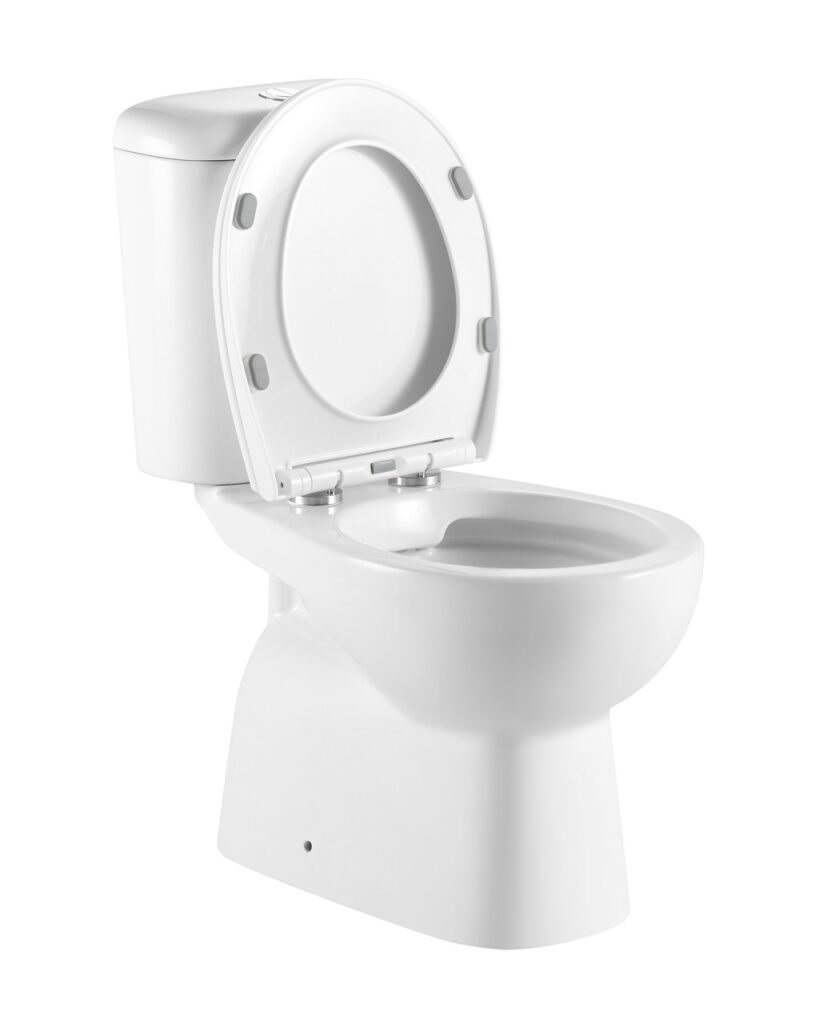
Two ceilings, and the smaller one decides
A 40-foot high cube carries about 76.3 cubic metres internally and takes a maximum payload of roughly 28.6 tonnes. Those are the carrier’s own published figures, and they are the only two numbers in the whole calculation that can be quoted in advance. A container is full when either the volume is used up or the weight limit is reached — whichever happens first.
So the useful question is not "how many toilets fit in a 40HQ". It is "which ceiling binds on this mix, and what is the piece count at that point". The answer changes with the models in the order, which is why a single figure quoted from memory is worse than no figure at all.
The piece count is a property of the carton
Sanitary ware is packed for survival, not for density, and packing standards differ between factories by wide margins. The same bowl can leave one plant in a carton 15 per cent larger than another’s, and that difference moves the container total by a meaningful number of units. This is why the loading figure has to come from the packing list, and why a piece count quoted before the packing list exists is a guess wearing a number.
- Carton length, width and height — the outer carton, as packed
- Gross weight per carton, not the net weight of the toilet
- Pieces per carton: several models pack two to a carton, which changes the arithmetic entirely
- Whether the load is palletised or floor-loaded, because that decides how much of the volume you actually get
Floor loading versus pallets
Pallets are convenient at both ends and they cost cubic metres: the deck height, the inter-pallet gaps and the space above a pallet that a box cannot use. A floor-loaded container recovers most of that, which on a dense ceramic load usually means more pieces in the same box. The trade is at the destination — floor-loaded containers take longer and more care to unload, and the receiving facility needs the space and the equipment to do it.
Decide it before optimising for piece count. The most expensive loading plan is the densest one the consignee cannot unload.
The arithmetic, in the order that matters
- Start from the internal volume: about 76.3 m³ in a 40HQ
- Multiply by a realistic loading efficiency — the share of that volume the boxes genuinely occupy
- Divide by the carton volume to get pieces on volume
- Multiply pieces by gross carton weight and compare against the payload ceiling
- Take the lower of the two numbers, then subtract pallets and dunnage
Loading efficiency is the step most estimates skip, and it is the number that varies most between a tidy plan and a real container. Ask what figure was used. A plan that assumes the box is 100 per cent full is not a plan.
Get the number in writing before you fix a price
The loading plan belongs in the quotation: pieces per container, which ceiling binds, the gross weight, and whether the figure assumes pallets. That is what turns a guess into a number you can price against — and it is the single most common place where an FOB quotation and a landed-cost calculation drift apart before anyone has shipped anything.
What we send with a quotation
Carton dimensions and gross weights for every model quoted, a loading plan for the mix you are actually buying, and the export documents that go with it. Send us the models and the quantity and we will confirm the plan in writing, so your forwarder and your costing work from the same sheet.
Related on this site
- How damage claims are actually settled
- Catalogue and technical drawings
- The range, by model
- Ask for a loading plan with the quotation