
Transhipment: What Changes Mid-Route
A transhipment adds a handover nobody priced. What changes when a box is relayed, and which document shows where the risk sat.
Pallet or Floor-Loaded: Choosing the Load
Pallets cost volume; floor-loading saves it and spends handling time at the far end. How to choose, and what changes at the receiving dock.
Carton Marks and Shipping Labels
Marks on a carton are the only way a warehouse finds one SKU among a hundred. What should be printed, and what buyers forget to ask for.
Short Shipment or Breakage: Telling Them Apart
Five cartons short can be a loading error or five broken pans. The paperwork that separates the two, and why timing decides the claim.
What Slows a Ceramic Load at Customs
Ceramic loads rarely get held for being ceramic. They get held for what the paperwork says about them. The four inconsistencies that stop a release.
The Document Set for a Ceramic Shipment
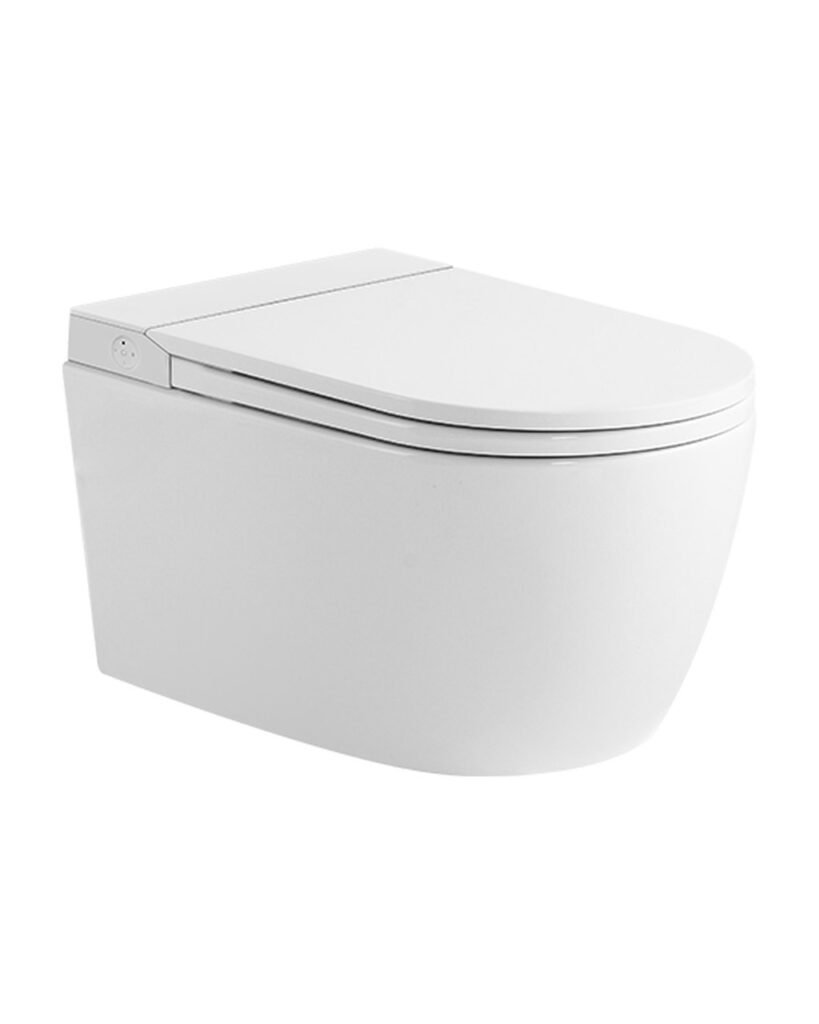
A shipment is only as fast as its paperwork. The set a ceramic load needs, who issues each document, and the ones that get asked for late.
Storing Ceramic Sanitaryware
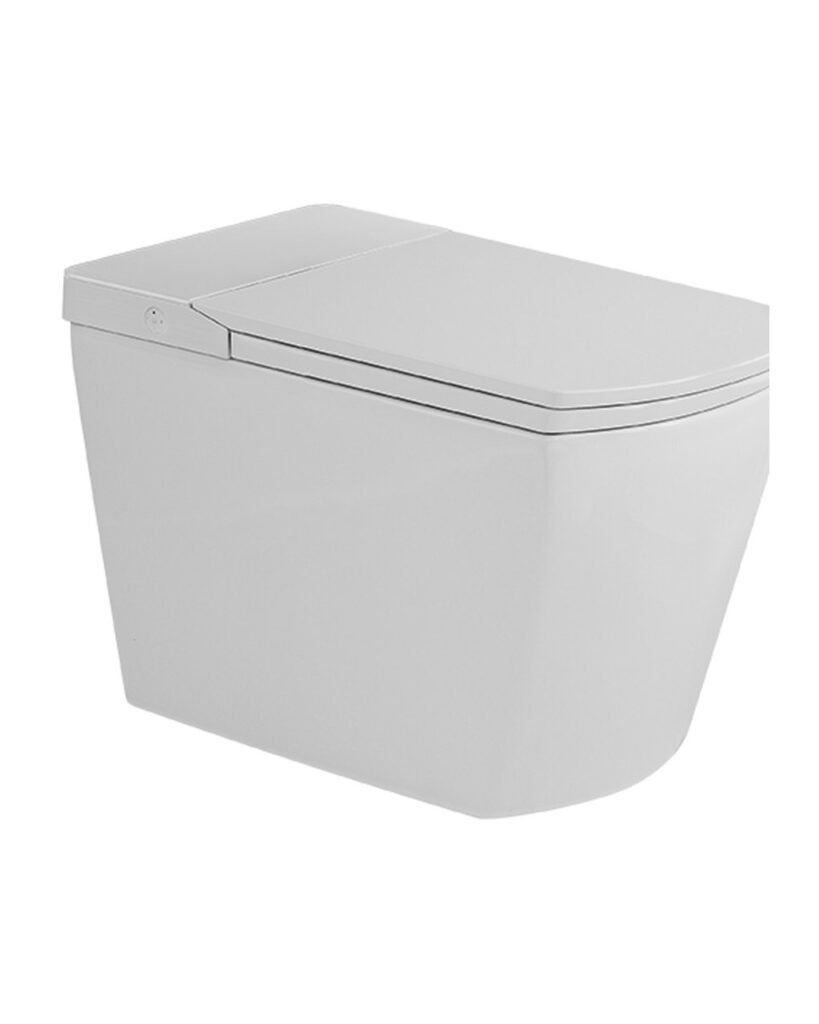
Ceramic does not fail in transit so much as in storage. Stacking, floor contact and showroom handling decide what reaches the customer intact.
Planning the Second Order
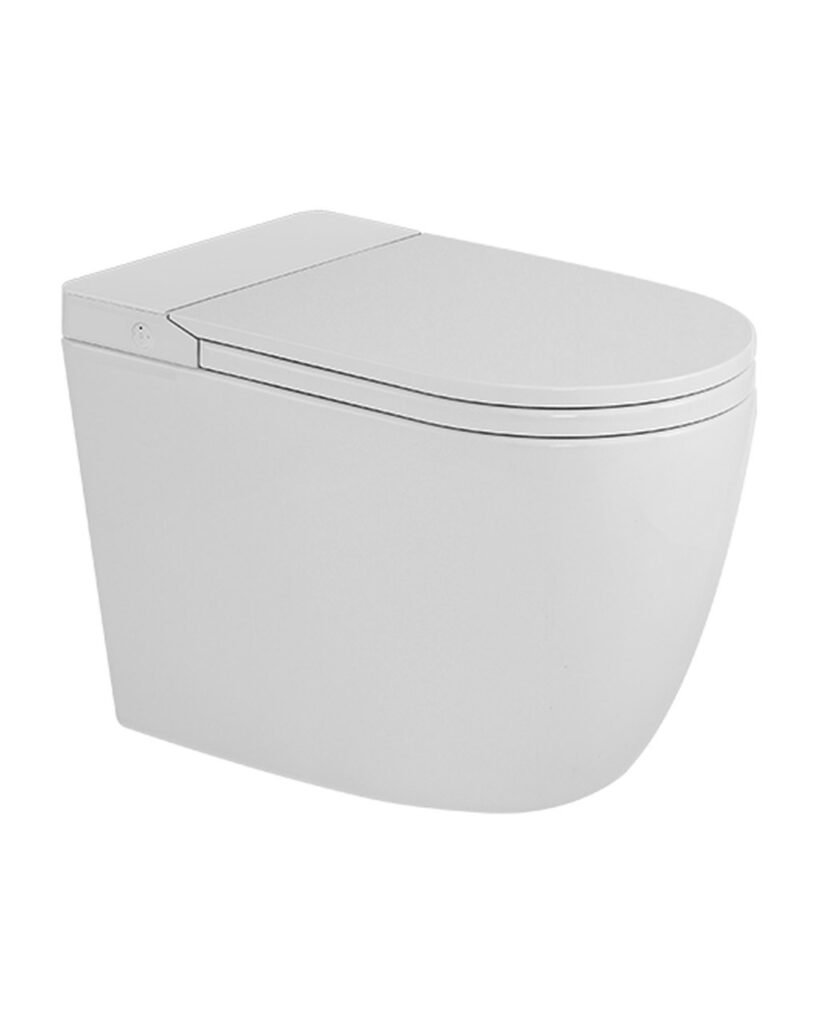
The second order is where a wholesale range either settles or fragments. What to decide from first-order data before reordering.
Receiving a Container: The First Hour
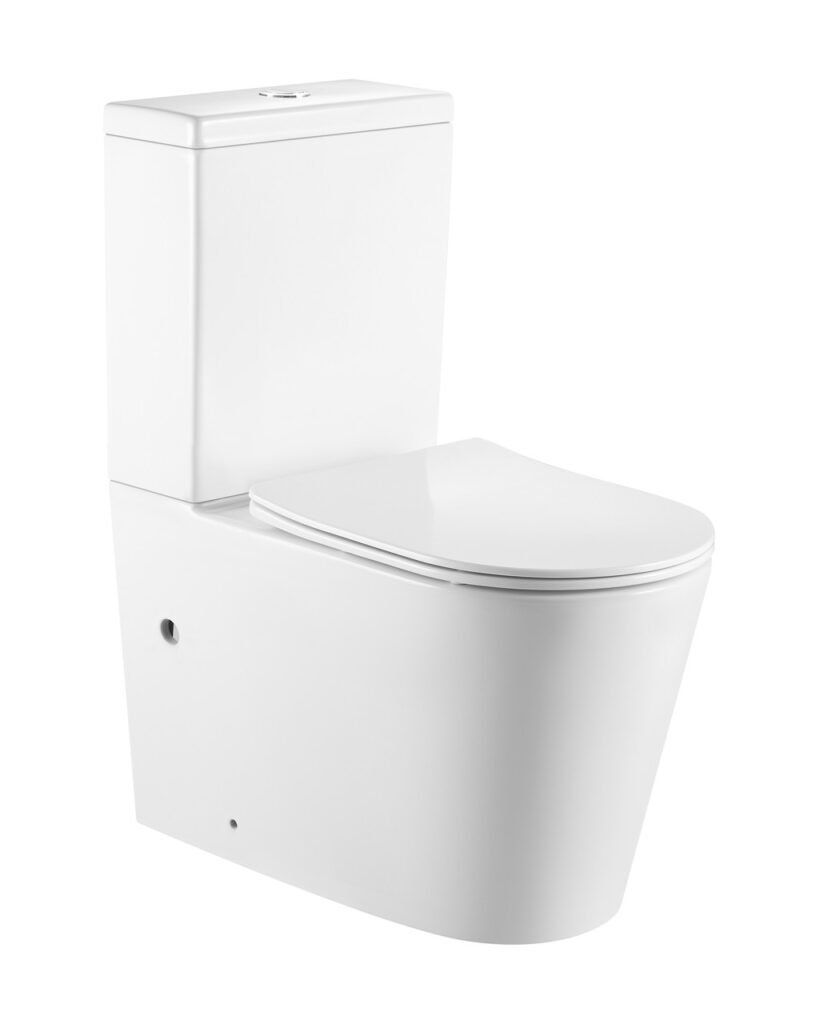
Most ceramic claims are lost in the first hour after the doors open. What to photograph, in what order, before anything is moved.
Marine Insurance: ICC A, B, C and Breakage
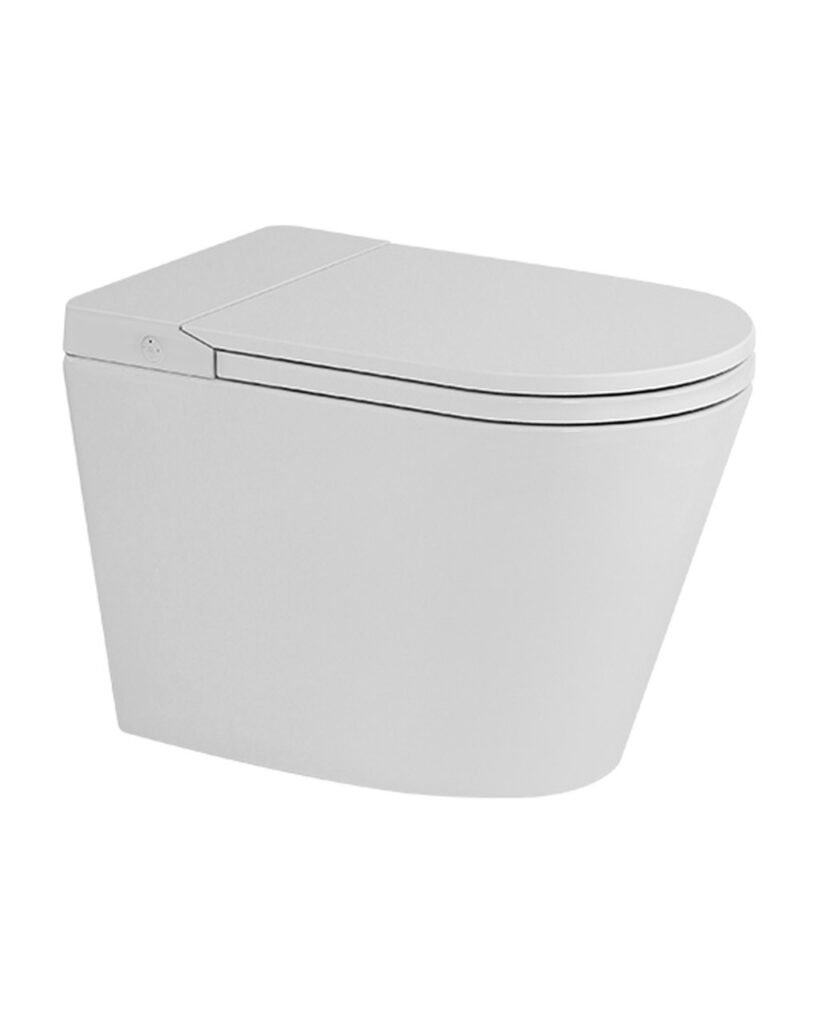
The clause set decides what a broken pan costs you. ICC A covers all risks bar the exclusions; B and C narrow it. Where ceramic claims actually fail.