
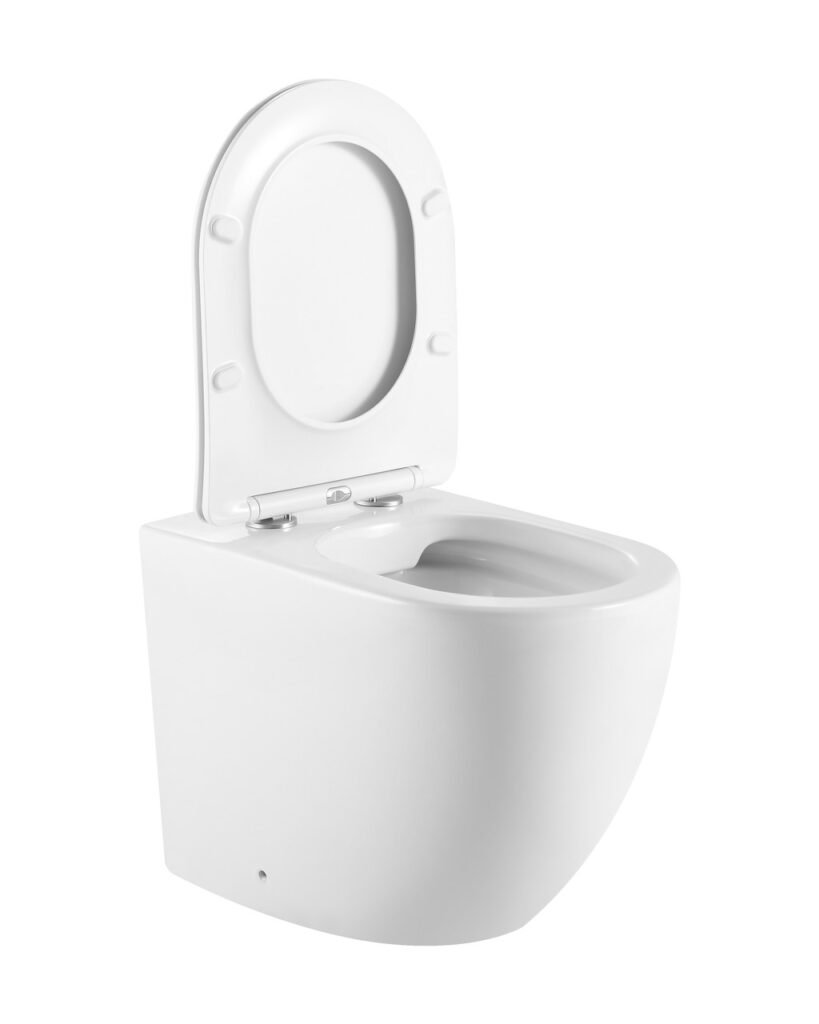
New Zealand recognised WaterMark. That is not the same as requiring it
New Zealand has recognised WaterMark as an endorsed standard and certification scheme. The recognition is real, it was announced at ministerial level, and it has been developed in phases by the ministry responsible for building and construction. It means a product certified under WaterMark is treated as meeting a recognised certification pathway when it is supplied into New Zealand.
It does not mean New Zealand imposes WaterMark on every sanitary ware product. That distinction is not pedantry. It changes what a supplier can claim, what an importer has to hold, and which document answers a question from a building consent authority. A supplier who tells a New Zealand buyer “WaterMark is mandatory here” is overstating a recognition, and overstating it in a way that becomes obvious the first time the buyer checks.
Why the word “recognised” is doing real work
Recognition means the scheme is accepted as a valid way of demonstrating conformity. It gives a certified product standing that an uncertified product does not have, and it saves a buyer from having to establish the product’s credentials from scratch.
What it does not do is create a single mandatory label that every product must carry before it can be sold. New Zealand’s building system works through performance requirements and acceptable solutions rather than through one compulsory mark for every article. So the accurate sentence is that WaterMark is recognised, that it is a strong and commonly requested pathway, and that whether your specific project requires it is a question for the project’s specification and for the consenting process. Confirm that against the current official guidance rather than against a supplier’s summary.
For a manufacturer, the practical implication is modest and worth stating plainly: we hold WaterMark on the models it covers, and the certificate is a genuine asset in a New Zealand conversation. We are not going to inflate it into a legal requirement.
The second obligation nobody mentions
Alongside the certification question sits an information question, and it is a separate rule with a separate purpose. The Building Product Information Requirements, which came in during 2022, require that specified information is provided when building products are supplied. The obligation is about disclosure: a person specifying or consenting a building should be able to find out what the product is and what it is designed to do, in a documented form.
This is the part that gets skipped, because it does not produce a certificate and therefore does not feel like compliance. It produces a pack of statements instead: what the product is, what it is made of, where it is intended to be used, what it should not be used for, and what the supplier’s basis for those statements is. None of that can be inferred from a WaterMark certificate, and none of it is waived because the certificate exists.
What the information requirement asks a manufacturer to do
It asks for statements, and statements need an owner. A buyer or importer assembling this pack will need answers to questions that only the factory can answer accurately.
- What the product is, in a description that matches what will actually be shipped.
- What it is made of, including the body and the finish, in terms a specifier can use rather than a marketing phrase.
- Where it is intended to be installed, and what it is not intended for, since a limitation stated by the manufacturer is worth more than one discovered later.
- The basis for the statements: test reports, drawings, certificates, and the standards they were assessed against.
All four are things we can answer per model. None of them requires a certification body, and none of them is covered by one. That is the point: the certificate answers “is this product certified”, and the information pack answers “what is this product”.
The mistake that costs the most
The expensive mistake is assuming that an Australian certificate closes a New Zealand file. The two markets are close, the certification scheme is shared, and the paperwork is not identical. Recognition of WaterMark in New Zealand is a genuine bridge. It is not a statement that the New Zealand information obligation has been met, and it is not a statement that the product satisfies every clause a New Zealand specifier will apply.
Where this bites is late in a project, when a consenting review asks for product information that nobody has assembled, and the response is to send a certificate that was never designed to answer the question. The reviewer’s conclusion is not that the product is bad. It is that the file is incomplete, and the project stops until it is not.
Where we sit, precisely
We hold WaterMark certification on the models it covers, and we say “on the models it covers” because a range-wide claim would be inaccurate. We publish an AS 1976 test report recording water absorption of 0.14%, the AS 1172.1 assessment behind the WaterMark certification, a WELS rating of 3.5 stars, CE marking on wall-hung models, ISO 9001 for the plant, and two SGS VOC reports.
For a New Zealand file we supply the product statements and the supporting documents behind them, per model, in writing. What we cannot do is tell you that a recognised scheme is a mandatory one, or that a certificate discharges an information duty. Those are the two claims a supplier is most tempted to make and least able to support.
A New Zealand enquiry, written properly
- The model codes, printed, with the quantities per model.
- Whether the specification names WaterMark, and whether it names a standard alongside it.
- Who is providing the product information pack — the importer, the merchant or the manufacturer — because the answer decides who needs what from us.
- Whether the project is residential, commercial or multi-unit, since the specification depth usually differs and the information pack follows it.
- The installation arrangement, so that any limitation we state about the product is stated before it becomes a site problem.
That third question is the one that saves the most time. When a merchant is assembling the pack, the manufacturer’s job is to supply accurate product statements quickly. When the importer is assembling it, the manufacturer may need to supply the same statements in a specific format. Knowing which one you are in changes what we send.
The summary worth carrying
New Zealand recognises WaterMark as an endorsed certification scheme, and separately requires specified information to be provided with building products. The first is a certification question, the second is a disclosure question, and a product file needs both. Recognition is not a mandate, and certification is not disclosure.
Keep those two sentences apart in your own paperwork and the file assembles itself. Merge them, and you will spend a project’s worth of time explaining why a certificate does not contain a sentence about intended use.
Frequently asked questions
Is WaterMark mandatory in New Zealand?
New Zealand recognises WaterMark as an endorsed standard and certification scheme rather than imposing it as a single compulsory mark on every product. Whether a specific project requires it depends on the specification and the consenting process. Confirm the current position against official guidance rather than a supplier summary.
What are the Building Product Information Requirements?
They are a separate obligation, introduced in 2022, requiring specified information to be provided when building products are supplied. The obligation is about disclosure to the people specifying and consenting buildings, and it is not satisfied by holding a product certificate.
Does a WaterMark certificate satisfy the information requirements?
No. A certificate states that a product has been certified against a standard. The information requirements ask what the product is, what it is made of, where it is intended to be used and on what basis those statements are made. The two documents answer different questions and are produced by different processes.
Can an Australian certificate be used in New Zealand?
WaterMark certification is recognised in New Zealand, which is what makes the Australian certificate useful there. That recognition does not carry the New Zealand information obligation with it, so the product statements still have to be assembled separately. Treat the certificate as one document in the file, not the file.
Which models carry WaterMark certification?
Certification is held on the models the certificate covers, and the scope is the thing to check rather than the range as a whole. Send the model codes you intend to supply and we will confirm which of them sit inside the certification and which would need a different route.
What should a New Zealand buyer ask for first?
Ask for the certificate scope and the product information pack together, because they answer different questions and a file missing either one will stall. Add the installation arrangement, so any limitation on intended use is stated before the product is ordered rather than after it is on site.
Related on this site
Documents and certificates
- Certificates and the markets each one covers
- Catalogues, drawings and published test reports
- Working with Australian and New Zealand buyers
Related reading
- WaterMark and WELS for Australian buyers
- WaterMark is not installation compliance
- The UAE: ECAS or EQM Before the Container Lands