
What Changes When You Double an Order

Doubling an order changes more than the quantity. What moves first, what gets slower, and the lines that need re-quoting rather than multiplying.
Deposits and Cash Flow on Container Orders

A deposit is working capital, not goodwill. How a payment schedule maps onto production, and where a first order runs short of cash.
Currency Clauses in Ceramic Contracts

A contract priced in one currency and paid in another carries a risk nobody named. Where to put it in writing, and who absorbs it.
Testing a Factory’s Capacity Claim

Every factory quotes a capacity figure. What that number is built on, and the three checks that turn it into something you can plan around.
Changing Suppliers Mid-Project
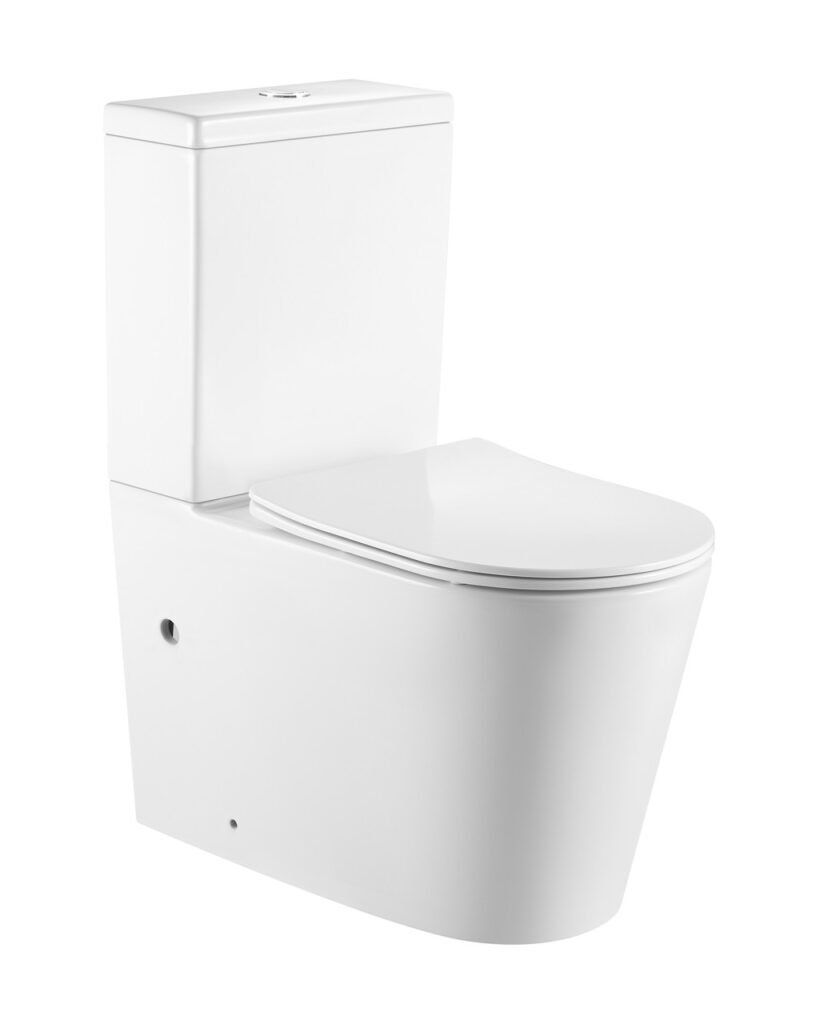
Switching suppliers mid-project is a schedule problem before it is a price problem. What has to be re-qualified, and in what order.
Who Owns the Mould: Protecting a Design

Moulds outlive contracts. Who actually owns the tooling, what a factory may reuse without you, and the clause that settles it before it matters.
From Inquiry to Container: The First Order

The first order runs on a fixed sequence, and every stage can restart the clock. What happens between the first email and the container leaving.
Showroom or Catalogue: What Wholesalers Ask

Wholesalers do not buy a catalogue, they buy a range that fills a gap. What to show, and the two questions that decide whether they visit.
Preparing for a Trade Fair

A trade fair is a two-day filter, not a sales channel. What to bring, what to ask, and how to leave with a shortlist instead of a bag of cards.
How Many Suppliers Should a Catalogue Use?
One supplier, three or six? How catalogue breadth, mixed loading and lead-time risk decide the number – and when consolidating backfires.